

A Day Out in Oxfordshire
In South East England, Oxfordshire is a ceremonial county home to market towns, walkable countryside and Oxford - the ‘City of Dreaming Spires’ - at its centre. The county’s reputation is tied to the University of Oxford, which has been here since the late 11th century. Because the university is still active, students cycle past buildings that date back hundreds of years, lectures take place in rooms older than many countries, and the whole county keeps evolving.
Oxfordshire’s appeal however, isn’t limited to university life. Historically, Oxfordshire prospered through agriculture and the wool trade, and that wealth is still visible in its buildings. Colleges, churches and manor houses were constructed with durable local stone and have never fallen out of use.
Oxfordshire is well suited to a day out as distances are short and transport is smooth. A morning can begin with colleges and libraries, moving into parks and estates by midday, and finishing at the river by the afternoon. Below are five of the best ways to spend time in Oxfordshire.
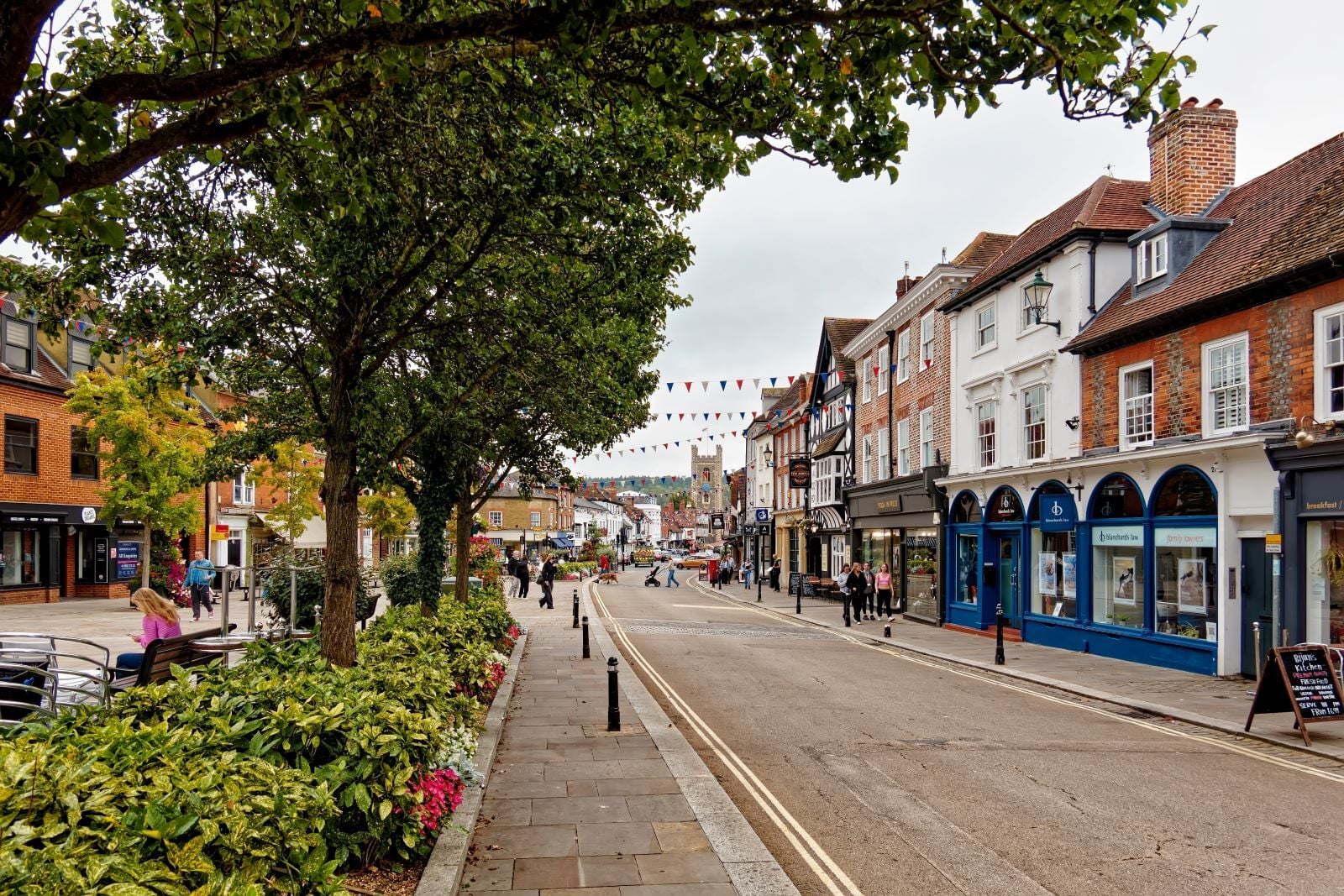
Start in Oxford
Any serious day in Oxfordshire begins in Oxford itself, with the college system being its focal point. One can begin by walking through sites such as Christ Church College, or passing the curved façade of the Radcliffe Camera. Many colleges allow public access, and stepping inside reveals quads, chapels and dining halls that are still in daily use. An outdoor addition worth building into this part of the day is the University of Oxford Botanic Garden. Just a short walk from the centre and founded in 1621, this is the oldest botanic garden in the United Kingdom and is now home to more than 5,000 plant species.
One of the oldest libraries in Europe, The Bodleian Library is not just an architectural landmark, but is still functioning in its original role. Guided tours grant access to the library’s historic reading rooms, whilst explaining how the legal deposit system has filled the shelves with millions of printed works. Museums can be added to the route without requiring a full day commitment. Dating back to 1884, the Pitt Rivers Museum is a world-renowned collection of anthropology and archaeology, with over 500,000 objects from across the globe, and just a 10-minute-walk away, The Ashmolean Museum provides a broad range of global history. Even a brief museum visit gives a sense of the county’s long-standing interest in collecting and categorising knowledge.
Take an Oxford Walking Tour
For those looking to add a bit of structure to a day out in Oxford, a walking tour is a good option, offering a clear route through the city’s key sights and stories. These guided tours typically last around two hours and cover over a thousand years of history, from early Saxon settlement through to modern student life. Groups are kept small, with routes covering many of the landmarks mentioned above, such as the Radcliffe Camera, Bodleian Library and Sheldonian Theatre, though the value lies in the knowledge and context. Guides explain how the collegiate system works and how the city and university developed together.
The standard historical route is the sensible place to begin, however there are plenty of themed walks that take the same streets and turn them into something else entirely. Ghost tours run in the evening, with stories focussing on alleyways and dark corners, whilst routes based on Inspector Morse, Lewis and Endeavour move through colleges, pubs and side streets that have all been used as filming locations. For those who like their history with a bit more imagination, the Harry Potter tours explain how Oxford’s architecture influenced the look and feel of the films. The Divinity School, for example, doubled as Hogwarts’ infirmary, whilst Christ Church’s dining hall influenced the design of the Great Hall.
Blenheim Palace: A Day Out in Itself
25 minutes away from Oxford, in Woodstock, Blenheim Palace offers a different experience. The palace was built in the early 18th century and given to John Churchill, 1st Duke of Marlborough, after his victory at the Battle of Blenheim in 1704. It was built as both a home and a national monument, and was also the birthplace of Winston Churchill, and that part of the story runs throughout the visit. Inside, the State Rooms are designed to impress with galleries, portraits and decorative ceilings. There are exhibitions that make things easier to follow, including displays on Churchill’s life and “The Blenheim Story,” which explains the history behind the palace.
The estate covers more than 2,000 acres, so there is plenty of space for outdoor exploration. The gardens include the Water Terraces, Rose Garden and Churchill Memorial Garden. The Walled Garden includes the Marlborough Maze, covering two miles of yew hedges, and the Butterfly House, Stables Exhibition and Rowse Honey Hive are well-loved by families. A miniature train connects parts of the grounds, and seasonal events from garden tours to outdoor events run throughout the year. Importantly, Blenheim Palace does not require prior knowledge to appreciate it. The layout and setting are legible, making it accessible even on a first visit.
Visit the Cotswolds
Head west into Oxfordshire and the scenery opens into the Cotswolds, where the day becomes less about ticking things off and more about the countryside. The Oxfordshire Cotswolds aren’t built around one main sight or attraction. Instead, they’re made up of villages, walking routes and smaller historic spots.
Burford is described as the gateway to this part of the county, and its high street slopes down toward the River Windrush. Visitors can admire Burford’s churches, such as St John the Baptist with its architectural details and memorials, as well as independent shops, and small museums such as the Burford Tolsey Museum. A short distance away, Minster Lovell is a quiet village best known for the ruins of Minster Lovell Hall, a 15th century manor house directly beside the River Windrush. The site has been described as an “oasis of peace” within the Cotswolds, and is quieter and less visited than more prominent locations. At the Cotswold Wildlife Park, visitors can encounter zebras, lions and giraffes at close range, and nearby market towns such as Witney are complete with museums and historic buildings tied to the region’s textile industry.
End with Something Different
After colleges, countryside and estates, the final part of a day in Oxfordshire can be enjoyed with something a little out of the ordinary. Oxford Castle and Prison sits right in the centre of Oxford on a site that has over 1,000 years of history. Originally built as a Norman castle in 1071, it gradually shifted into a prison that remained in use until 1996. Entry is via guided tour and starts by climbing one of the oldest surviving buildings in Oxford, St George’s Tower. From there, the route drops down into the crypt, a 900-year-old underground space that is one of the last remains of a medieval chapel. The stories here are based on real individuals, and cases such as Mary Blandy’s execution or the imprisonment of suffragettes add some historical weight.
For a final stop with a twist, Hook Norton Brewery sits on the edge of the Cotswolds and has been operating since 1849, still family owned and still using a traditional Victorian tower brewing system. Tours take around 90 minutes to two hours and visitors are guided through the full process, from raw ingredients to finished beer. It is a working site, so guests can enjoy the smells, noise and activity as they move through the five-storey brewery. One of the more unusual features is the presence of Shire horses, which are still used for local deliveries and can often be seen in the stables or around the site. A Hook Norton Brewery tour ends in the cellar bar with a tasting session, giving visitors a relaxed end to their day in Oxfordshire.
Whether spending time in a college courtyard, walking through the Cotswolds, or admiring an 18th-century palace, Oxfordshire accommodates flexibility and plans can shift easily. Although anchored by the intellectual and architectural core of Oxford, the county quickly spills out into villages, estates and open fields that feel a long way from lecture halls and libraries.