

A Guide to the Best Things to Do in Dulwich
Dulwich is South London at its best, with wide green spaces and handsome old houses that make it feel quietly removed from the rest of the city. People visit for the atmosphere: a true village feel, dotted with independent shops and cafés and the kind of calm many don’t expect this close to central London.
In this guide, we explore some of the best things to do in Dulwich.
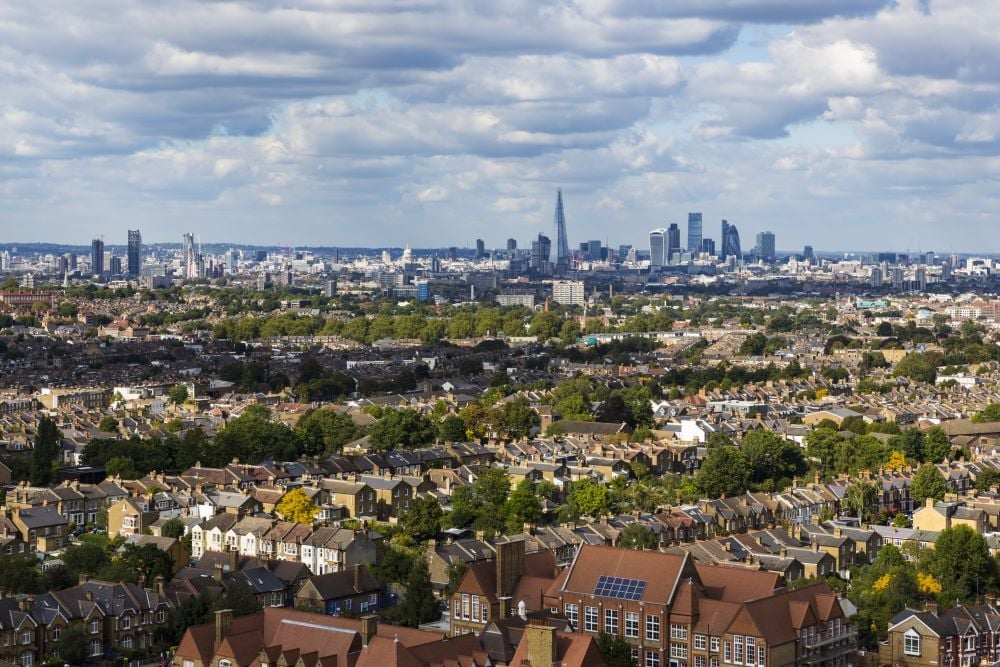
History
With roots that stretch back further than most realise, Dulwich first appeared in records in 967 AD, with a name thought to come from the Anglo-Saxon “Dile-wisc”, meaning “dill meadow”. The land changed hands over the centuries, from Bermondsey Abbey to the Archbishop of Canterbury, before being bought by actor Edward Alleyn, whose influence still underpins much of the area’s character today.
Visit Dulwich Picture Gallery
Dulwich Picture Gallery is the kind of place that raises the bar for London museums. Tucked into the greenery of Dulwich, it was the first purpose-built public art gallery in England, opening its doors in 1817 in a building designed by the great Regency architect Sir John Soane. From the outside, it’s understated; inside, it’s calm light and elegant proportions, with Soane’s famously clever use of skylights creating the perfect setting to truly admire the work on the walls.
The collection itself is what draws people back. Built around a bequest from Sir Francis Bourgeois, it’s packed with Old Masters, particularly strong in French, Italian and Spanish Baroque painting, alongside British portraiture spanning Tudor times through to the 19th century. There’s also a sculpture garden and a slightly gothic touch in the form of its mausoleum, where the founders of the collection, Bourgeois and Noël Desenfans, are laid to rest. It began life under Edward Alleyn’s charitable foundation, the College of God’s Gift, before becoming an independent charitable trust in 1994, though it’s still very much part of the fabric of Dulwich.
Explore The House of Dreams
The House of Dreams is one of East Dulwich’s most unusual addresses, a normal terraced house from the street, but step inside and it becomes an immersive artwork. Created by former textile designer and art director Stephen Wright, it’s a personal museum built from mosaics, found objects and handmade sculpture, with every surface pressed into service: floors, walls, ceilings, the garden and even the exterior.
Wright has lived here since 1982 and began transforming the space in the late 1990s, initially as a decorative project. After the deaths of his partner and parents, it became something deeper, a response to grief and a living testament to love, memory and the life he’s built. Influenced by art and folk traditions from around the world, he has shaped the house into a single, evolving sculpture, using materials sourced from flea markets and donated by visitors. Wright still lives upstairs, while the work continues below.
Visits are limited and the museum typically opens around ten times a year, usually on the last Saturday of the month (and closes over winter from December to February), with booking available via the website.
Discover the Horniman Museum
The Horniman Museum and Gardens is one of South East London’s best-loved days out, the sort of place you can drop into for an hour and accidentally stay all afternoon. Set on a hill in Forest Hill, it pairs a wonderfully eccentric museum showcasing global cultures, natural history, musical instruments and famously surreal taxidermy displays, with generous gardens and far-reaching views across London. The building itself is part of the appeal: a striking, Grade II- listed Edwardian landmark designed by Charles Harrison Townsend, which opened in 1901.
Behind it all is Frederick Horniman, the tea merchant and MP who founded the museum with a social mission: education, access and curiosity, without the grand barriers that usually came with institutions of the era. Today, the Horniman continues to hold onto that spirit: the museum and gardens are free to visit, with ticketed extras such as the Aquarium, Butterfly House and selected exhibitions and events.
The Horniman is also easy to reach via Forest Hill station on the Overground and National Rail. The gardens open early, making it a surprisingly peaceful morning spot, especially if you’re after a quiet walk, a coffee, or a Sunday browse around the Horniman Market.
Bike at Herne Hill Velodrome
Herne Hill Velodrome is one of those places that makes South London feel extraordinary. Tucked between Brockwell Park and Dulwich, it’s an open-air cycling track with real history. It was built in 1891, which makes it one of the oldest velodromes in the world and was later used for the track cycling events at the 1948 Olympics.
Today, HHV is less about elite sport behind closed doors and more about getting people on bikes, whatever their age, background or ability. It runs affordable sessions for complete beginners through to experienced riders, with slots for children, teens, women, over-40s and cyclists with disabilities and visual impairments. Even if you don’t ride, it’s worth visiting. From April to September, the racing calendar brings a steady buzz, with free entry for spectators.
There’s serious training pedigree here too. Alongside its community mission, the velodrome has helped nurture some of Britain’s standout cycling talent in recent years, including Ethan Hayter, Fred Wright, Abi Van Twisk, Flora Perkins and Ben and Dan Tulett.
Swim at Brockwell Park & Lido
Brockwell Lido is one of South London’s true icons , a vast open-air pool tucked into Brockwell Park, just a short stroll from Herne Hill station. First opened in July 1937, it has lived-in history that gives it real character. It closed in 1990, only to be brought back to life after a determined local campaign, reopening in 1994 as a space run very much for the community. Since then, it’s become the backdrop to everything from summer sunbathing to winter plunges, with locals and users helping make sure it stays open and accessible to all.
At its heart is the 50-metre outdoor pool, open year-round for early morning lane swimmers, lazy summer sessions and cold-water dips. But it’s more than just a swim: there’s a full gym, a busy timetable of group fitness classes and saunas for the post-workout wind-down, all of it operated today by Fusion Lifestyle, with upgrades added over the years, including a major renovation in 2007.
Between the galleries and museum and the pockets of history woven into its streets, Dulwich offers a slower and softer version of London – one with a village atmosphere that’s easy to slip into and hard to leave behind.