

Places to Live in Cornwall
Cornwall has always been shaped by the sea, boasting the UK’s longest coastline at over 400 miles. Its ocean-facing position, tempered by the Gulf Stream, brings a milder climate than much of the UK, which is ideal for subtropical planting and makes Cornwall home to one of the largest collections of plant species in the British Isles.
Below, we profile a handful of the best areas to live in Cornwall.
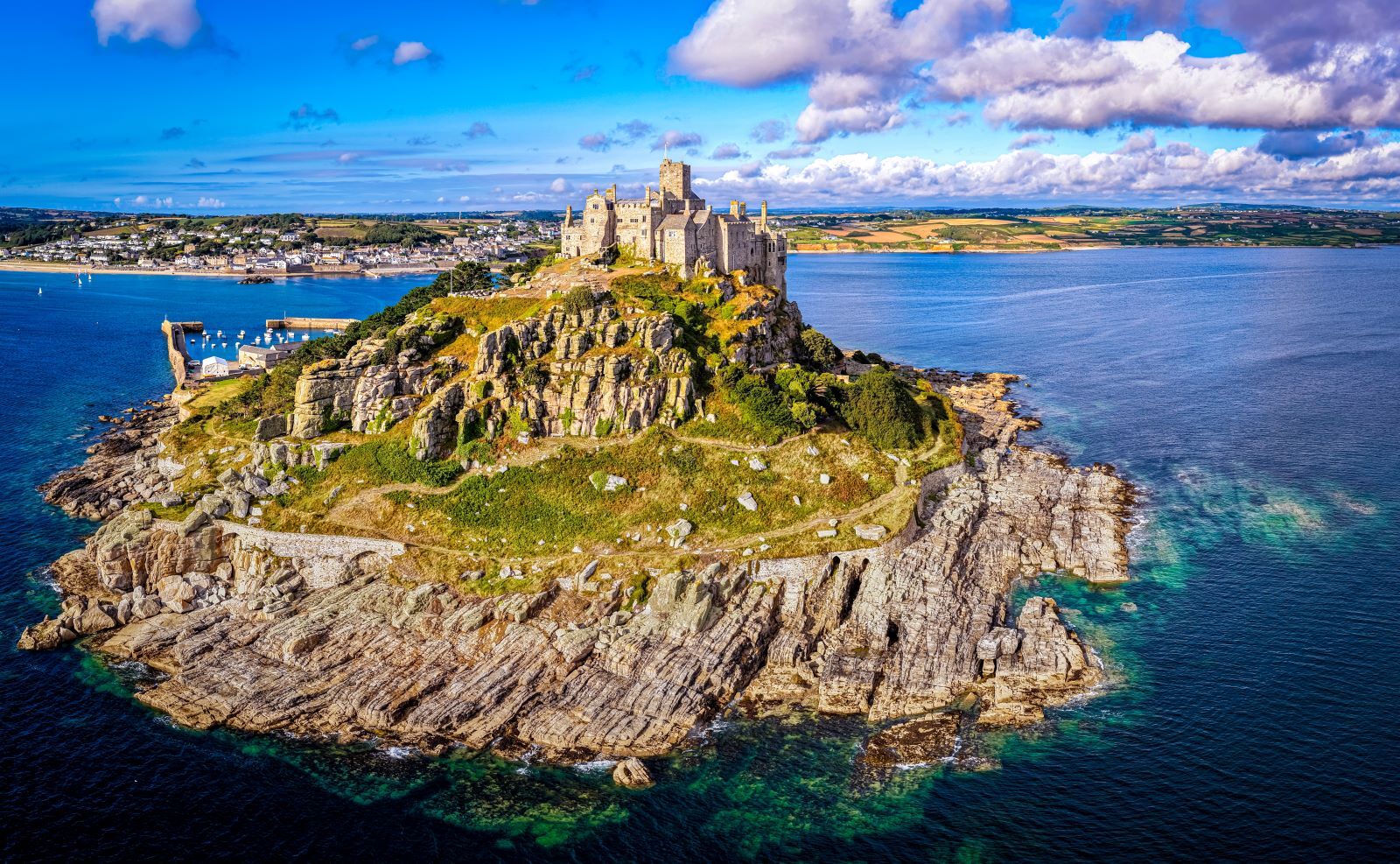
History
For centuries, its towns grew around working harbours, trade routes and fishing fleets, later evolving into holiday destinations once the railways made the far south-west feel suddenly within reach.
That history still sits just beneath the surface today, from Tudor fortifications and smuggling folklore to old market streets that haven’t entirely surrendered to second-home status. What makes Cornwall such a compelling place to visit and, in many cases, settle into is its variety. Some towns are driven by food and design, others by surf culture, sailing life or a strong sense of community.
Padstow
Padstow is one of Cornwall’s most recognisable harbour towns, set just inland on the Camel Estuary with a waterfront that rarely feels still. Once defined by fishing and trade, it now operates as one of the county’s best-known food destinations, with a restaurant scene that attracts visitors year-round.
Modern Padstow’s reputation is inseparable from Rick Stein, whose restaurants helped put the town firmly on the national map. “Padstein” is still used jokingly by locals and it is undeniable that the town has become a key example of Cornwall’s high-end dining culture. Beyond Stein, there are plenty of strong dining institutions, including Paul Ainsworth’s Caffè Rojano, plus smaller favourites like Prawn on the Lawn and Barnaby’s.
The Camel Estuary gives Padstow a sense of openness that most harbour towns don’t quite have, with water-based adventures, coastal hikes and ferry trips across to Rock forming part of the weekly rhythm for those who stay longer than a few nights. Property is firmly in the prime Cornwall bracket, particularly near the waterfront or with estuary views. House prices rose by around 1.2% over the past year and values vary depending on the style of home, but prices typically sit in the region of £819,000, while detached houses can climb close to £1 million.
Falmouth
Built around one of the deepest natural harbours in the world, Falmouth has long been defined by its maritime industry and a steady flow of visitors arriving by sea as much as road. That history still shapes the town today, giving it a slightly international feel compared to Cornwall’s smaller and more inward-facing villages.
Much of Falmouth’s story is tied to the Packet Service, which once carried mail between Britain and far-reaching destinations including South America, Portugal and West Africa, establishing it as the other key information hub outside of London. It’s also one of Cornwall’s most culturally active towns, supported by its university presence and a creative scene that remains lively outside of peak season.
Landmark highlights such as the National Maritime Museum Cornwall and Henry VIII’s Pendennis Castle support the town’s heritage, while the waterfront remains at the centre of everyday life. Property is varied, ranging from classic terraces to smart waterside apartments and it tends to appeal to buyers looking for a permanent base rather than a purely seasonal escape. The average house price in Falmouth rose by roughly 12.65% over the past five years.
St Mawes
St Mawes is small, immaculate and high-status, the kind of place where the harbour view is the main event. Set on the Roseland Peninsula, it has a softer climate than much of the Atlantic-facing north coast, with secluded beaches and long coastal walks shaping its appeal.
St Mawes Castle, built under Henry VIII’s orders in the 16th century to defend the Fal Estuary, sits opposite its sister fortress at Pendennis and is now managed by English Heritage. Just south of the village, the passenger ferry to Place leads to St Anthony Head, where further fortifications remain, including the St Anthony Battery, built in 1895–97 and used during both World Wars, alongside the lighthouse often nicknamed the “Fraggle Rock” landmark.
St Mawes has long been popular with affluent visitors and second-home owners, which makes it one of Cornwall’s most affluent places to buy, particularly on or near the waterfront. Over the past year, house prices have averaged around £1.3 million. Most sales were detached homes, while terraced properties averaged £565,750 and semi-detached homes sat at around £675,000. For those who do live here full time, the lifestyle is hard to rival, with coastal access, mild weather and a view that still feels like a holiday backdrop.
Rock
Rock is North Cornwall at its best. For three decades, it has been one of the county’s most sought-after enclaves for affluent buyers, drawn by the sailing culture and wide estuary views. The most exclusive addresses sit around Trebetherick, with Daymer Lane often mentioned in the same breath as Cornwall’s most coveted second-home pockets.
Rock’s profile surged in the 1990s thanks to royal holiday associations and in more recent years, it has remained firmly in the spotlight thanks to high-profile homeowners and a steady trickle of big-name arrivals, including chefs who have helped cement the area’s modern status. Paul Ainsworth’s takeover of The Mariners only reinforced Rock’s position as somewhere that continues to trade as much on lifestyle as it does scenery.
Values have climbed sharply over the years; figures put the overall average price at around £649,000. Stock is also limited, with only a small handful of homes typically available at any one time, ranging from family houses to multi-million-pound properties with estuary views. Long-term rentals are similarly scarce, which only adds to Rock’s reputation as a place people secure and hold onto once they’ve managed to get in.
Cornwall’s most liveable spots are those that make the most of the county’s defining asset – the sea. While the county has been shaped by trade, fishing and the railways’ tourist boom, its appeal today is just as much about day-to-day rhythm. For those looking to stay, not just visit, these are the places where Cornwall still feels at its very best.