

What to Wear to Royal Ascot 2026
Royal Ascot returns from 16–20 June 2026, bringing with it five days of racing, ceremony and a dress code that remains one of the most exacting in the British social calendar. Around 300,000 people will pass through the Berkshire racecourse across the week, with the Royal Procession marking the start of each afternoon and the enclosures setting the tone for how people dress.
For all its scale, Ascot remains a fairly controlled environment. The rules are clear and they matter. Since the early 19th century, when Beau Brummell helped define modern standards of dress, the meeting has operated as one of the few places where formality is not optional. This structure is still enforced today, with stewards positioned at enclosure entrances and guests turned away if outfits do not meet the required standard.
However in 2026, that interpretation leans towards softer colour, lighter fabrics and more fluid tailoring, without stepping outside the rules and these shifts largely reflect wider runway trends.
In this guide, we preview what styles will be visible at Ascot in 2026, with tips and advice to help create your own.
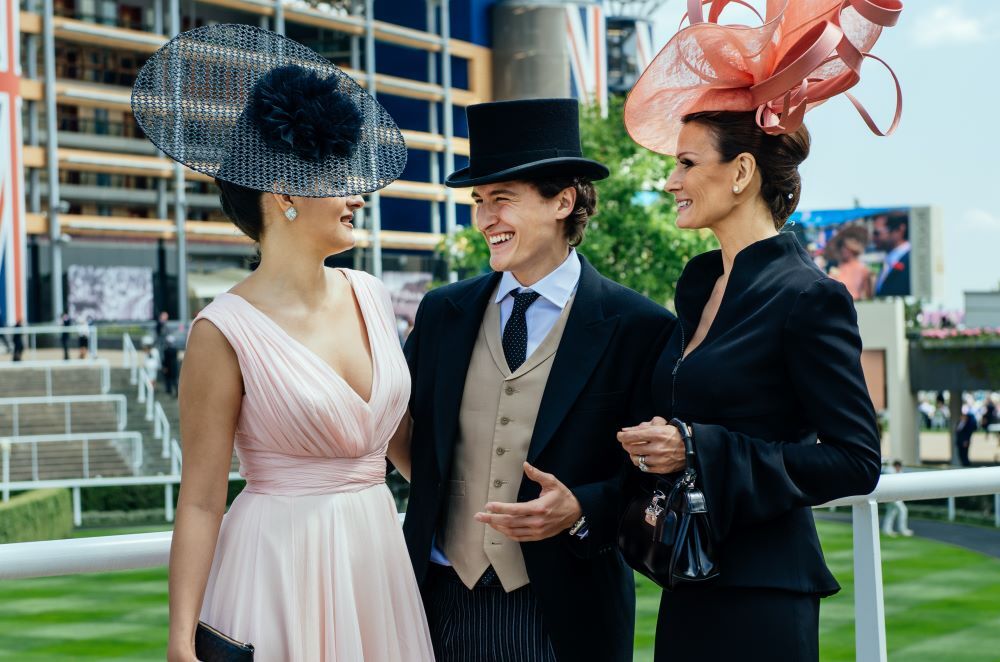 image source: Lana Yatsyuk / Shutterstock.com
The Dress Code
Each enclosure carries its own expectations, and getting this right is where most outfits either work or fall short. The key difference lies not in whether you dress formally, but how strictly that formality is defined.
The Royal Enclosure
The Royal Enclosure is the most formal part of the racecourse and the rules are non-negotiable. Women must wear modest dresses or tailoring with straps at least one inch wide, alongside a hat with a solid base of 10cm or more, while men are required to wear morning dress with a top hat and formal shoes. This dress code is formally outlined by Ascot and applied consistently, with little tolerance for interpretation.
Within that framework, tailoring continues to gain ground. Full-length trouser suits and jumpsuits in matching fabric are now a standard option and sit alongside more traditional midi dresses, reflecting a broader shift in formal womenswear towards structured alternatives.
A silk midi in a muted tone or a sharply cut suit softened with drape works well, with detail kept precise through subtle texture, sculptural sleeves or embellishment. Fabrics such as silk crepe, organza and lightweight wool blends tend to hold shape while remaining breathable across the day.
Hats remain central, with larger, structured styles dominating. The key is balance. If the outfit carries pattern or texture, millinery should be more restrained; if the clothing is minimal, the hat can take focus. Traditional materials such as sinamay and felt are still widely used, especially for their structure and durability in variable weather.
For men, variation is limited. Morning dress in black, grey or navy remains fixed, with any individuality coming through fabric choice or a carefully selected waistcoat or tie. The cut is extremely important here, with well-fitted tailoring often making the most visible difference.
Key brands to consider:
- Emilia Wickstead
- Suzannah London
- Jenny Packham
- Ralph Lauren
- Huntsman Savile Row
- Lock & Co. Hatters
The Queen Anne Enclosure
The Queen Anne Enclosure is slightly less rigid, though still formal. There is no strict hemline rule, but dresses should remain an appropriate length. Women can wear dresses, skirts or matching tailoring with a hat or fascinator, while men are expected to wear a suit with a shirt and tie.
There is more flexibility with silhouette. Tailored dresses, fluid midis and full-length suits all sit comfortably here, with headwear required but not restricted in size. This is where trend becomes more visible, with softer tailoring, prints and a broader use of colour. Pastel tones, subtle florals and cuts appear more frequently and often reflect seasonal trends rather than tradition.
Men move into standard suiting, which opens up fabric and colour. Navy and grey remain dominant, though lighter tones and seasonal materials, including linen blends and softer wools, are increasingly common. These fabrics are often chosen for breathability across the long days spent outdoors.
Key brands to consider:
- Self-Portrait
- Reiss
- Zimmermann
- Victoria Beckham
- Paul Smith
- Canali
The Village Enclosure
The same general dress code as the Queen Anne Enclosure applies, though the atmosphere is more relaxed. With more time spent on grass, outfits tend to shift slightly, favouring smaller hats, more practical footwear and fabrics that hold up across the day. The setting here has a noticeable impact on how outfits are put together.
Women still dress formally, though practicality becomes more apparent. Wedges, block heels and flats replace stilettos, while prints and softer pastels are more widely used. Lightweight fabrics such as cotton blends and linen are more common for comfort.
Men retain a jacket, shirt and tie, though colour and pattern are used more freely. Accessories, including bow ties and pocket squares, allow for more expression, while the overall finish remains polished. The approach is less rigid, but still clearly formal.
Key brands to consider:
- Rixo
- Faithfull the Brand
- LK Bennett
- Castaner
- Brunello Cucinelli
- Hackett London
The Windsor Enclosure
The least restrictive of the enclosures. There is no formal dress code, though smart daywear is still expected. Hats are optional and for men a jacket is recommended even if not required. In practice, most outfits still lean towards occasionwear rather than casual dressing.
Millinery
Headwear remains a defining part of Ascot, particularly in the Royal Enclosure. The shift is in scale and shape. Oversized fascinators have largely been replaced by wider brims and more structured designs that feel integrated into the outfit. This reflects a broader return to traditional hat-making techniques over purely decorative pieces.
Practicality matters. A hat that does not sit securely will not last the day if the weather turns. Fit, balance and weight distribution are often as important as design.
Key brands to consider:
- Merve Bayindir Millinery
- Jane Taylor London
- Philip Treacy
Footwear
Ascot is a long day and footwear is often challenging to navigate. Heels remain standard, though stilettos are increasingly replaced with block heels or more stable options, particularly on grass. Closed-toe styles tend to work best in more formal settings whilst leather soles, cushioned insoles and secure fits tend to make a noticeable difference with extended periods of standing and walking.
Key brands to consider:
- Aquazzura
- Gianvito Rossi
- Manolo Blahnik
Whilst the dress code at Royal Ascot remains largely unchanged, the way people approach it continues to shift slightly each year. The dress code still dictates the framework, but within that, there is more nuance in how outfits are put together.
This year, that approach leans towards ease within structure. Nothing excessive, nothing forced. Just well-judged choices that hold up from arrival through to the last race.
Read More