

A Brief Guide to PLP Architecture
PLP Architecture is a collaborative design collective operating as an architectural practice in the city of London. It has made a real virtue of understanding how best to respond and futureproof its projects through a combined knowledge of how technology, sustainability, innovation and strategy can augment beautiful design.
Since 2009 the studio has remained on the cutting edge of ambitious architecture that garners prestigious recognition and international commissions. PLP offices in London, Singapore and Tokyo are now home to teams of architects, designers and researchers that are creating the future of contemporary cities and urban areas all over the planet.
The Founders’ Story
The founders of PLP architecture had previously worked together at the acclaimed commercial architects Kohn Pedersen Fox on some large-scale international projects. They included:
- Lee Polisano - a specialist in innovative, large scale urban projects
- David Leventhal - a specialist in contextual architecture for historic cities
- Karen Cook - a specialist in sustainable workplace design
- Ron Bakker - a specialist in tech-driven and public real environments
All were driven by the same goal of leading 21st design solutions in the most complete way with the most intelligent and successful results from ideation to execution.
To Transform & Inspire
The design philosophy of PLP Architecture is evident from the way it operates. The studio’s position as a collaborative practice, instead of a traditional operation, delivers more scope for positive impact and results.
They openly state that:
‘We value the transformative role of ideas and the capacity for architecture to inspire’
In practice this means that every commission is a complete and holistic project that begins with a research exercise to ascertain context, location and individual nuance of the social environment.
An Innovative Approach
The integration of research, strategy and design is a defining aspect of PLP work. The PLP labs are an incredible example of how this joined-up thinking becomes a huge advantage at an individual project level. Here, they explore the emerging technology that will offer benefits to the built environment alongside studies in anthropology and environmental science.
It is not hyperbole to suggest that these are the seeds that will provide a new future for cities and PLP is putting itself in the perfect position to help them bloom.
The themes explored in the comprehensive research covers key elements such as:
- New workplace models for modern societies
- Intelligent co-living and shared housing spaces
- The application of digital technology for the built environment
- Urban density and development strategies
With additional consultancy work carried out for urban strategy and workplace planning, the PLP approach is to understand how contemporary cities should work to provide the most successful mixed use spaces for the people that live and work there.
Sustainability as Standard
Sustainability and environmental performance integrated into all research, strategy and operations from the beginning at PLP. Their commitment to reducing the impact from new building projects and renovations is demonstrated through an involvement with key industry initiatives such as:
- Architects Declare
- RIBA 2030 Climate Challenge
- The UK Green Building Council
As co-founder and leader of PLP Labs, Ron Bakker, states:
‘Architects play a crucial role in offering innovative solutions to address the carbon crisis’
PLP projects and buildings have defined strategies in place to realise this philosophy in a methodical way at some scale. These include:
-
Low-carbon Construction
Innovations such as mass timber and hybrid structural solutions are continually explored to reduce embodied carbon in the structures they create.
-
Smart Building Technology
Advanced digital systems are put in place to monitor the conditions of a building when occupied. The conditions can then be adjusted, both automatically and manually, to let the building adapt and optimise environmental performance.
-
Natural Resource Priority
The PLP design methodology prioritises natural ventilation and daylight to encourage and support health, wellness and productivity. Augmenting this with modern architectural elements such as biophilic design allows for core natural resource considerations at the foundation of every project.
Pushing The Edge
In 2015 PLP architecture completed their landmark project at The Edge in Amsterdam. This was a groundbreaking building that is still widely regarded as one of the most technologically advanced office structures in the world. Thousands of sensors monitor occupancy, temperature and lighting, allowing the building to respond in a dynamic way to reduce energy consumption. This understandably led to a several major awards and accolades for their work:
- Awarded the record BREEAM score ever achieved for an office building
- 2016 Office – New Construction BREEAM Award
- 2016 BREEAM Public Vote Award
- Urban Land Institute Global Award for Excellence 2016
Renewal through Reuse
Despite such innovations, transforming existing building structures to meet modern standards is perhaps the biggest way that environmental impact can be addressed in architecture for the modern world.
PLP’s stellar reputation for renovations that achieve this sustainability and style is a major factor in how well regarded the studio is in 2026.
The Majesty of Mayfair Park
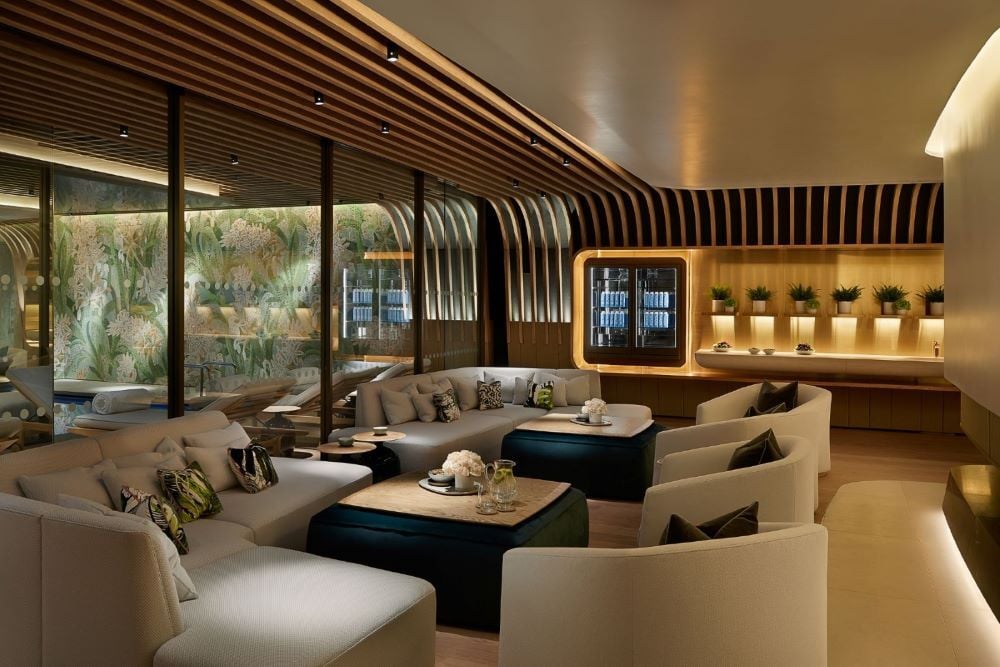
The recent project at Mayfair Park in London is a wonderful illustration of this philosophy in practice. Located in the very heart of one of the city’s most prestigious postcodes with Hyde Park on its doorstep, this development demanded absolute precision in renovation.
PLP Architecture worked with the Parisian design studio Jouin Manku to restore this beautiful building, with its Grade II-listed façade indicating the heritage that was to be preserved. Every residence here is now a breathtaking example of how the built environment of modern London can celebrate its storied past while also supporting contemporary lifestyles in the best way. The entrance lobby alone, with its elegant hand painted bone China leaf motif and dramatic chandelier, are a landmark in what is possible for renovation projects at the highest levels in the capital.
PLP Architecture stands at the intersection of experience and innovation for building design in 2026. It offers a unique combination of prestige processes and radical thinking that will be integral to the shaping of our cities for decades to come. The UK capital, in particular, looks certain to be influenced by the great minds that are at work in the PLP studios in London, Singapore and Japan.