

A Brief Guide To Romanesque Architecture
It is all too easy to look for literal meaning in a name when approaching artforms, movements and architectural styles. To do so disregards the nuance and context given by history and language in the decades and centuries that separate a term from its modern understanding. However, in the case of the Romanesque it becomes impossible not to do so.
To be Romanesque means to be ‘in the manner of the Romans’ which immediately provides a comprehensive and vivid image. The empire that straddled Europe and large parts of the entire globe for almost a millennium is instantly recognisable as grand, progressive, powerful and capable of instilling an unmistakable civic majesty in the built environment that it created and left behind.
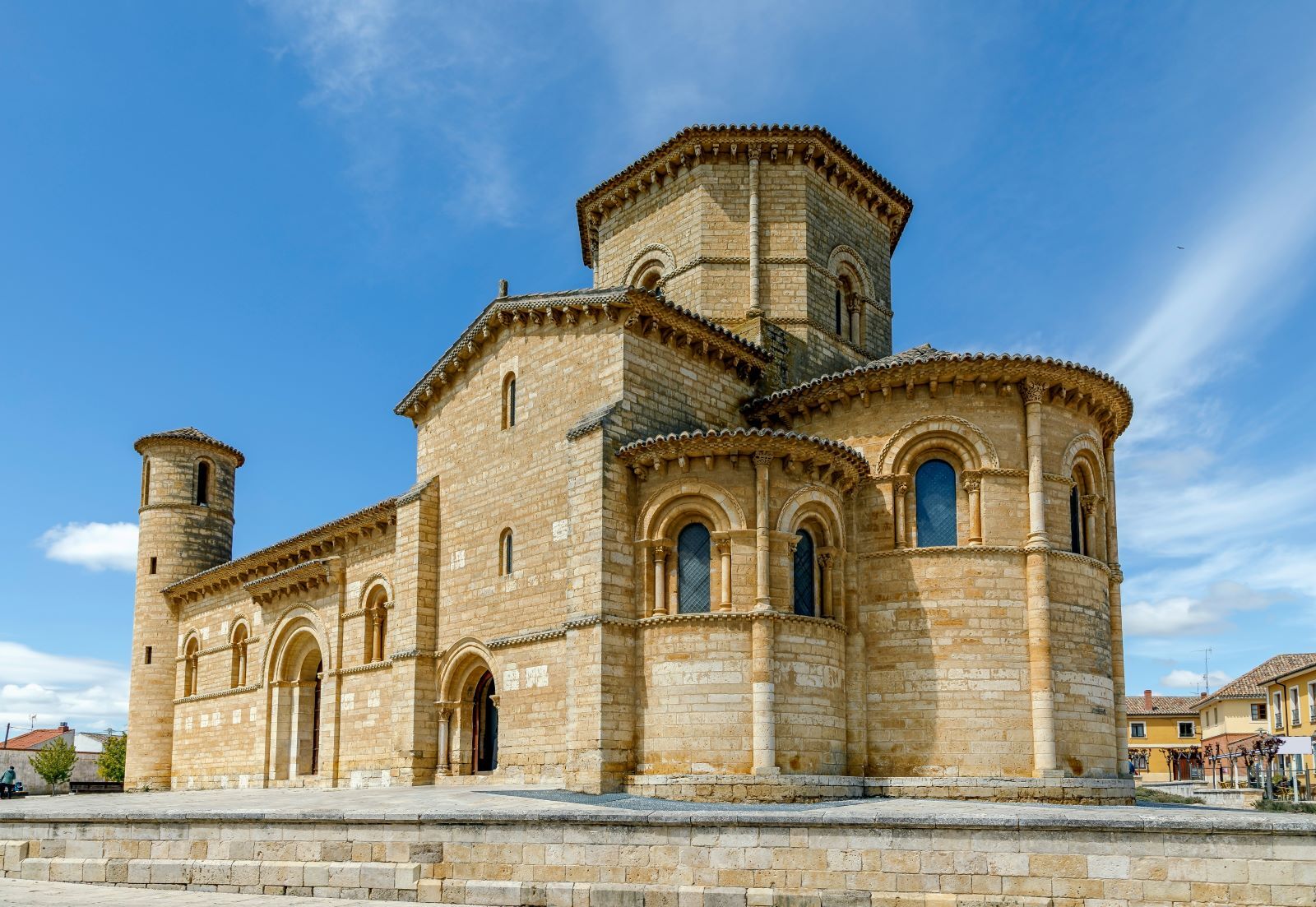
What is Romanesque Architecture?
Romanesque architecture is the approach to building design that dominated Western Europe before Gothic styles fully took hold of the continent. In terms of dating this era it would be sensible to suggest that 11th and 12th centuries were the predominant timeline for Romanesque with some key elements surviving into the 13th century.
How did Romanesque Architecture arrive in Europe?
Interestingly, Romanesque architecture is often viewed as the first true example of consolidated styles applied to a wide area of the world. It therefore represents a collection of design schools and trends that were developing across the continent at the same time, and not a single lineage with a strict, identifiable following.
However, it is safe to say that the spread and adoption of Christianity was clearly the catalyst for it. The medieval age had ushered in a huge surge of pilgrimages and acts of travelling worship that fundamentally altered the shape and scale of church building. Larger spaces were required to accommodate bigger congregations and that meant aligning innovation with the logic of how people actually moved through a building. This was an early demonstration of how the user experience within the built environment would come to dictate the shapes and structures that were subsequently created.
What are the Defining Elements of Romanesque Architecture?
Romanesque architecture is very much a consequence of the functionality that it had to provide. Despite these constraints there was always an opportunity to provide new forms of integrated decoration and stylings within, and upon, the building that demonstrated a divinity in aesthetic beauty.
It is possible to understand these defining elements in their broadest terms through the three categories that are most notable in design for places of worship. Crucially, these are the most prominent type of Romanesque buildings that remain available to study and celebrate.
Structural
These are the engineering aspects that were used in the creation of Romanesque buildings.
- Semicircular arches created arcades, windows, vaults and portals
- Huge, thick load-bearing masonry walls acted as the framework
- Massive compound or cylindrical piers worked as support
- Barrel vaults and groin vaults gave space and maximised area
- Early experiments in rib vaulting were also present
- Apertures and windows sizes were limited due to load requirements
- Heavy exterior buttressing was common
Spatial
This is how the space acts and feels for the people that engage with them.
- Clear and linear layouts for the congregation
- Processions to guide people from the entrance to the altar
- Passageways for the choir and clergy
- Rhythmic repetition of bays and ordered seating
- Directional lighting to emphasise chapels and relics
- Acoustic resonance for mass and chants
Decoration
This is how Romanesque buildings provided meaning and projected symbolism.
- The sculpted tympana, a panel above portals, displayed biblical scenes
- Geometric mouldings of chevron or zigzags
- Figurative sculptures integrated into the structures
- Blind arcading along facades purely for decoration
- Heavy door surrounds with multiple, repeated recesses
- Dwarf galleries running below the roofline of the exterior
Sculpture as Storytelling
There was a responsibility placed upon Romanesque architecture to provide education and enlightenment to the population. This meant the structure of a building would become an important tool to convey meaning and tell stories to a largely illiterate congregation.
The facades, capitals and portals became visual narrative surfaces to carve those stories into stone. These were not subtle tales; they represented the most powerful and emblematic chapters of the bible to illustrate the Last Judgement or Christ in Majesty with icons of the apocalypse providing fear and theatre to frame them. This was architecture as a guidebook to salvation that acted as a bridge between earthly endurance and the eternal rewards that eventually awaited.
Key Romanesque Architectural Masterpieces
There are some truly incredible examples of Romanesque architecture that survive today. Here are two of the most dramatic to witness and learn more from.
Speyer Cathedral
Germany
Officially named the Kaiserdom zu Speyer, this was founded in 1030 from commission by Emperor Conrad II. The sheer scale and vaulting ambition of the building would kickstart an architectural revolution across the Rhineland and well beyond.
The nave is around 130 metres in length with a monumental groin vaulting later rebuilt in stone directly above. Perhaps the most important element of construction here was the Square Bay system that employed strict geometry for the vaults that correspond to the supporting piers below. This was real innovation at the time and projected a visible order and clarity within the open and breathtaking spaces.
Durham Cathedral
England
Durham Cathedral in the North East of England was built in at an extraordinary pace between 1093 and 1133. It demonstrates Romanesque architecture at the peak of its powers in Norman Britain with some important clues as to how Gothic sensibilities were emerging from such solid foundations.
It acted as a political symbol of strength and centre of spirituality as it housed the important relics of St Cuthbert and the venerable Bede. The architecture to support such a prestigious function applied rib vaulting at a scale unseen before for a structure of this size. This innovation was primarily structural, but it also created the pointed transverse arches that Gothic would later take so much of its own identity from.
Durham Cathedral’s interior is overwhelming in its size. It demonstrates the pinnacle of Romanesque application while simultaneously acting as a tutor for the heaven-touching vertical ambition of Gothic architecture that was soon to follow.
Romanesque architecture was a design language shared by disparate countries and regions across a whole continent. Unified by faith and encouraged by the might and finances of a ruling elite, the architects and designers responsible were given licence to aim for new heights of symbolism and scale.
Above all, it is the permanence of these buildings that made them so revered. Much like the empires that the style looked to mimic, these structures are still visible and dominant on our landscapes almost a thousand years after they were founded.