

United Kingdom Sotheby’s International Realty is off to a flying start in 2026, having agreed sales on £430 million worth of stock – a strong showing that reflects renewed vitality across the UK’s prime property market. After a turbulent year marked by COVID-19's lingering effects, fiscal disruptions, and political uncertainty, 2026 is shaping up to be a period of greater stability and welcome predictability.
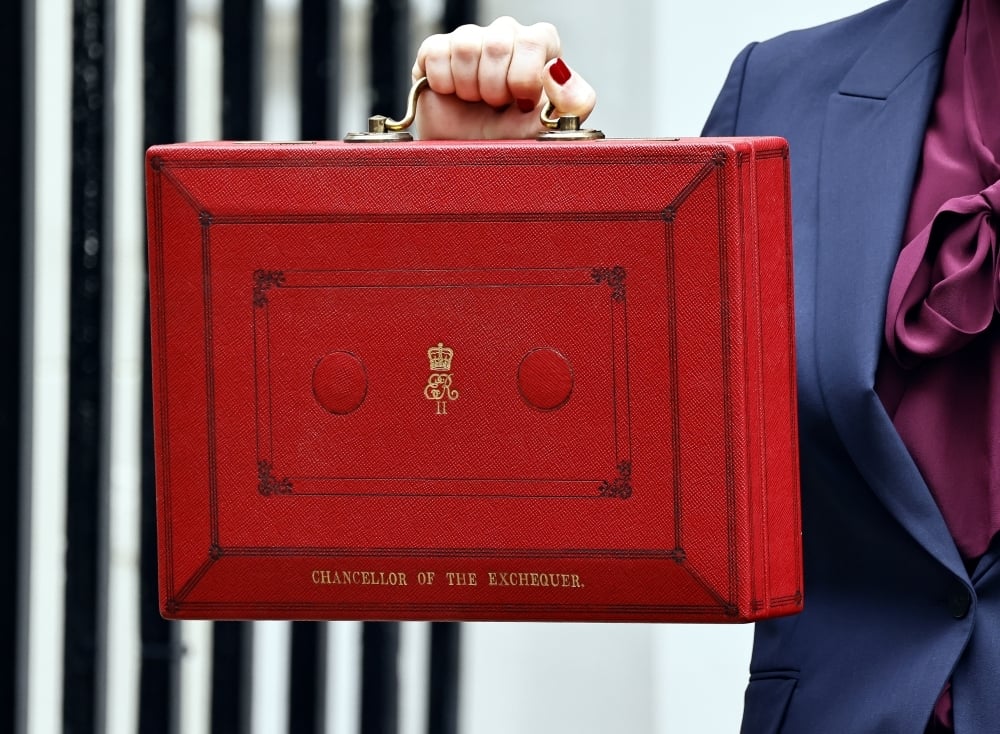
Macro fundamentals are tracking a favourable trajectory. The clarity that has dawned on the market following milestones like the 2025 UK Autumn Budget has been particularly encouraging. Though we expect growth to moderate slightly from 2025's pace, the momentum we've observed should continue to build, even as challenges persist.

Signs of Recovery
Early 2026 indicators point to stronger market activity than the same period last year, buoyed by pent-up demand that accumulated in the run-up to the Autumn Budget and growing confidence in the policy outlook. This feels less like a sudden boom and more like the market finding its footing again.
As interest rates ease and mortgage costs retreat from last year's peaks, buyer confidence is gradually returning across the wider London market. Lenders have already recalibrated their offerings to reflect a more settled rate environment, and the effects are beginning to show through rising enquiries and transaction volumes.
While tax measures targeting high-value homes and wealthier buyers remain a concern, their impact on the prime market appears manageable. History shows that seriously wealthy buyers stay loyal to London's most desirable neighbourhoods even when costs rise. Much of the price adjustment linked to recent tax and policy uncertainty seems to have already played out, positioning the market well for modest but sustained growth ahead.
The absence of major elections this year is reinforcing a calmer political backdrop, something both domestic and international buyers prize when committing capital to central London.
Prime Central London Forecast
Central London's premium property sector saw approximately 3% depreciation in 2025, with major firms reporting declines typically in the low-to-mid single-digit range. Looking ahead, many commentators expect 2026 to mark the beginning of a gradual recovery in Prime Central London. Conservative estimates anticipate 1% growth, while more optimistic projections suggest 3% to 5%.
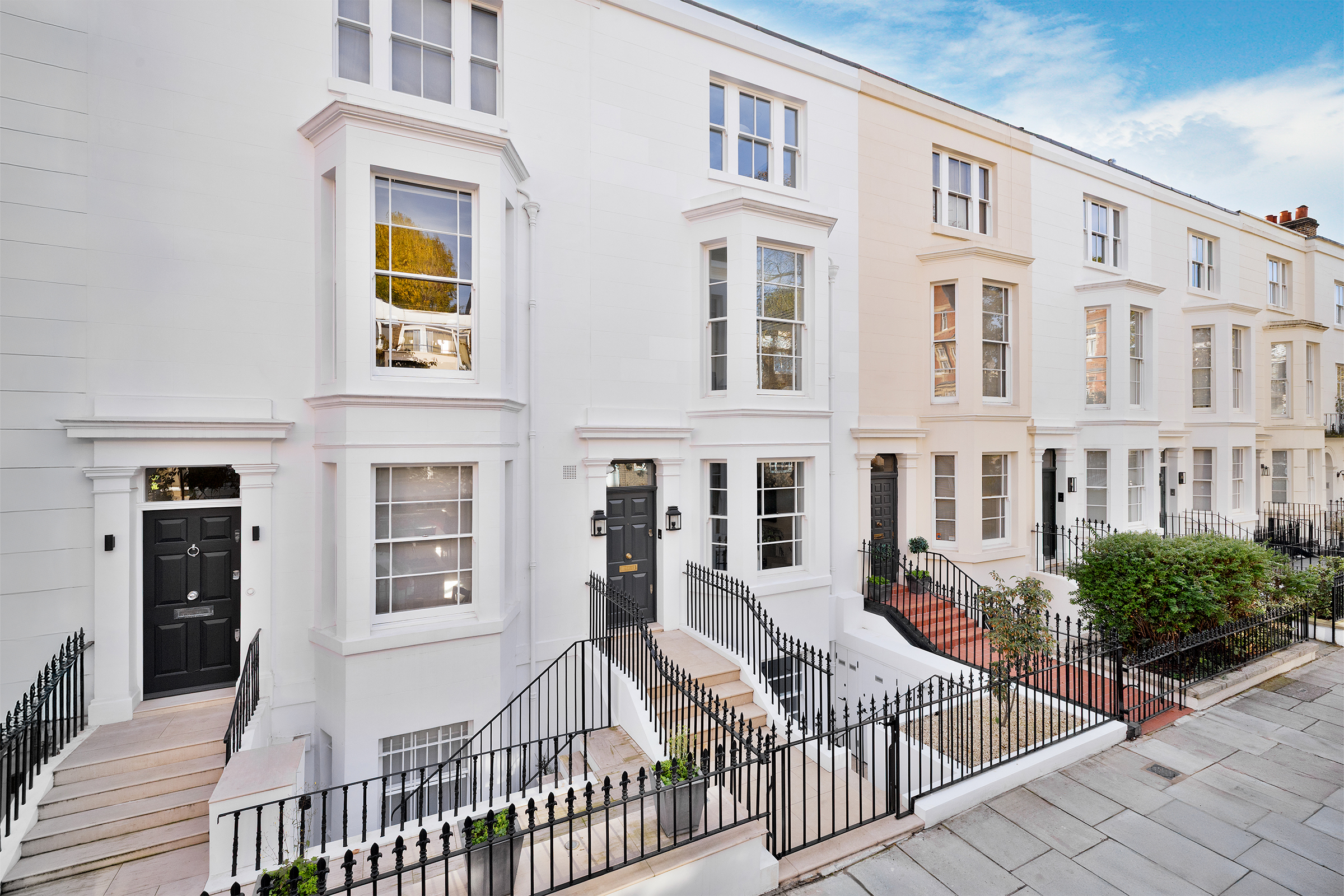
While overall stock levels in Prime Central London have risen as sellers respond to improving market conditions, availability remains tight for genuinely best-in-class homes in exclusive areas like Mayfair and Knightsbridge. This creates a two-tier market: increased choice and pricing pressure for more standard high-end stock, alongside continued competition for rare, top-tier assets.
Prime Outer London Forecast
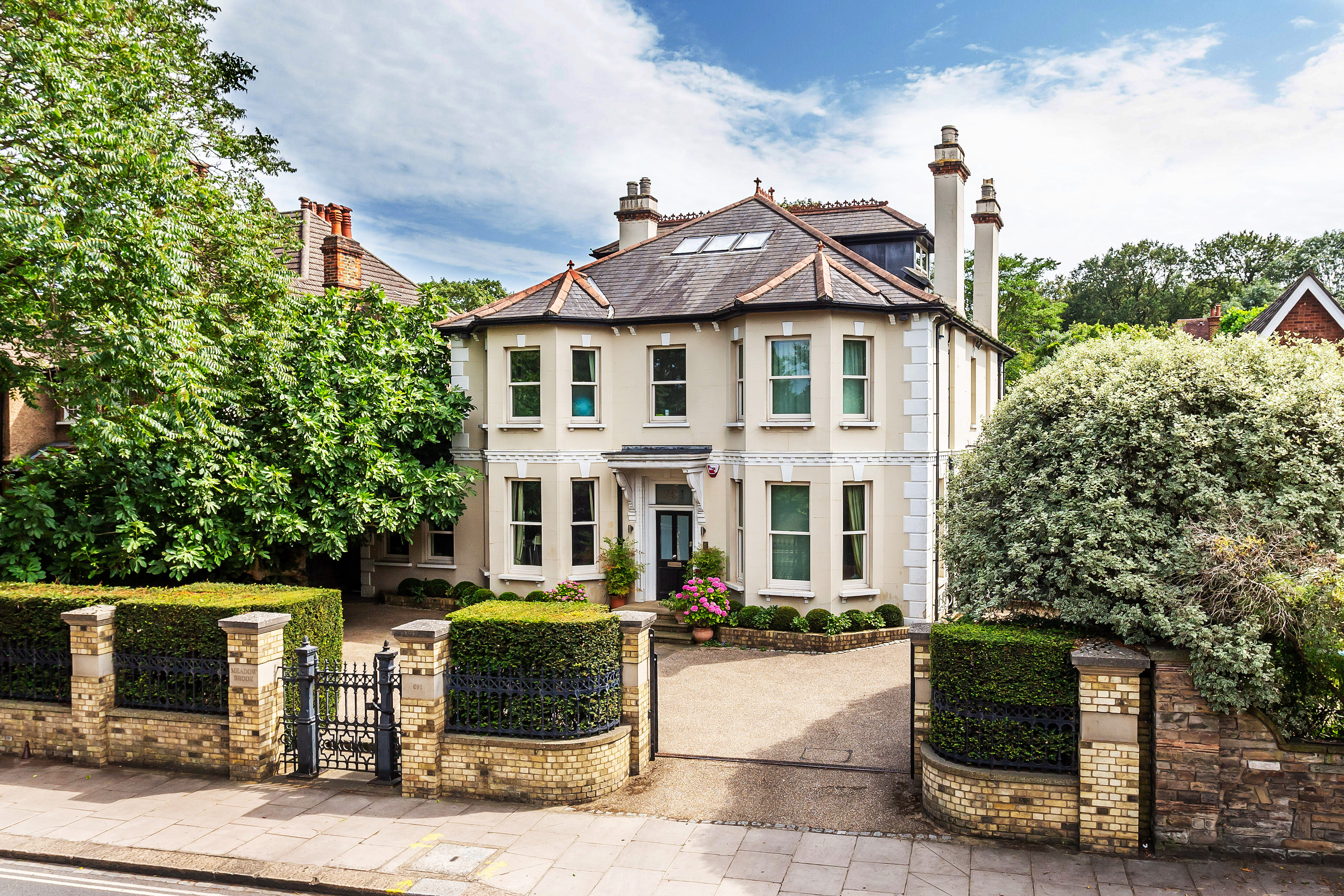
This segment was shaped by a needs-based sentiment throughout 2025, primarily drawing in families seeking expansive homes. Outer London's enduring appeal, even amid broader market challenges, reflects how post-pandemic priorities have shifted toward space and calm rather than the convenience and cachet of central addresses.
The market should stay broadly balanced between buyers and sellers through 2026. Prices are expected to hold steady rather than swing significantly in either direction. Since Prime Central London is only just beginning its recovery, the usual ripple effect – where price growth spreads outward from the centre – hasn't yet taken hold. Demand for spacious family homes, which has been a consistent theme, shows no signs of waning.
Prime and Super-Prime Rental Outlook
The UK's rental market remained resilient throughout 2025, with wealthy individuals and ultra-high-net-worth clients attracted to the lettings sector's relative stability while the sales market contended with ongoing volatility. In our own portfolio, we have seen strong demand from affluent American clients relocating to London amid US political and economic uncertainty.
This momentum should carry into 2026. Analysts predict Prime Central London rental values will rise approximately 6.1% in the next five years, underpinned by strong tenant demand. Recent performance already points to this trajectory – prime London rents have continued their upward trajectory, rising in the low single digits over the past year and now standing more than 30% above pre-pandemic levels.
On the regulatory front, the forthcoming Renters' Rights Act should have limited impact on this segment. Most high-value lettings exceed the 'high rent' threshold or operate as company lets, placing them outside the Act's main protections and preserving the operational flexibility that premium tenants expect.
Meanwhile, the expansion of Making Tax Digital has raised concerns among landlords. As Senior Lettings Director Olivia McSweeney observed in her PrimeResi opinion piece, for many smaller and mid-scale landlords, the increased reporting requirements are tipping points that may accelerate exits from the market. In the prime and super-prime segment, however, this trend is more likely to reinforce scarcity than reduce participation. For well-capitalised, professionally managed portfolios, the resulting constraints should continue to support rental values and strengthen the appeal of exceptional properties.
Final Thoughts
The volatility that defined recent years appears to be giving way to steady growth underpinned by fundamentals rather than speculation. What stands out is the divergence within the market itself. Prime Central London is finding its footing after a challenging period, while outer London continues to benefit from sustained family demand. The rental sector, meanwhile, is operating from a position of strength, supported by robust international interest.
Amid shifting fiscal policies and global uncertainty, London's unique strengths remain unchanged: world-class infrastructure, cultural cachet, and political stability that few cities can match. For discerning buyers and investors, these enduring qualities continue to anchor confidence in the capital's long-term prospects.