

As one of the most beloved cities in the world, one could be forgiven for assuming that when visiting London, there are crowds and queues for almost everything. The city offers no shortage of splendid attractions, but throughout most of the year, there are crowds of tourists ranging from small to sizable, all eager to experience them. London’s beloved selection of museums is no exception to this rule, and during the summer months in particular, visiting these incredible buildings can feel clustered, claustrophobic, and outright inconvenient.
However, as with all things, there are ebbs and flows to London’s hotspots for history, art and science. Even during the busiest months of the year, there are ways to enjoy the exhibits at the city’s most celebrated museums without jostling through other bodies to get a glimpse of crystal skulls or the works of Turner. The following museums are the very best that the city has to offer and the trick to seeing them all in peace is knowing when to go.
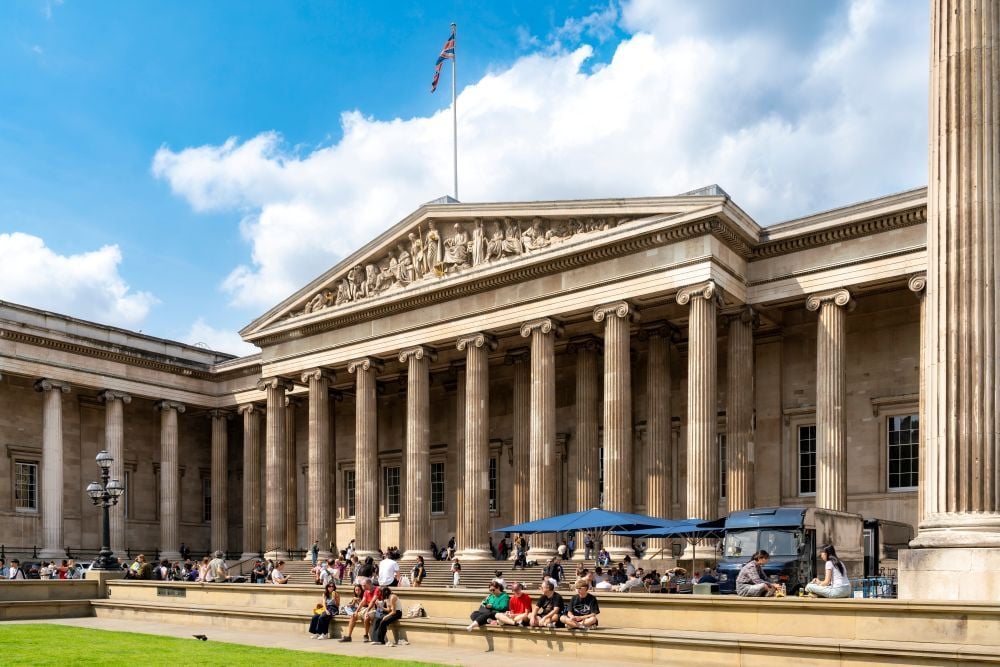
The British Museum
The British Museum draws sustained crowds from late morning through mid-afternoon, particularly at weekends, throughout the year. The Great Court, the Rosetta Stone, and the Parthenon Sculptures are almost notorious at this point for assembly of everything from school trips to travel groups of tourists from every corner of the globe. With that said, arriving midweek, either first thing or very late in the afternoon, is a surefire way to avoid all but the most dedicated groups, and even then, they tend to move quite slowly and can be easily circumvented.
Speaking of which, beginning a visit to the British Museum on Level 3, where the galleries devoted to Chinese ceramics, Islamic art, and the Enlightenment Collection are found, remains a consistent starting place for a calm visit. These rooms often end up being seen last by many visitors and, as such, are rushed, making them ideal to begin the day with. The Egyptian Gallery with its mummies and the Sutton Hoo collection of Saxon treasures, are always the first choice for most visiting groups and so are best left right at the end of the day to avoid interruption or pressure to move on from certain exhibits.
The Victoria and Albert Museum
Known affectionately amongst Londoners as the V&A, this remains London’s most iconic institution devoted to the history of fashion and jewellery. With an ever-rotating circuit of incredible exhibitions from the minds of everything from major fashion icons to auteurs, it’s one of the most popular museums in the city and of course, that attracts no end of crowds. However, between these rotating exhibits, it is possible to enjoy the V&A without having to worry about the presence of too many fellow visitors.
Heading directly to the British Galleries on any given day, where furniture, silverware and decorative arts are displayed across expansive, multi-level rooms, is a rewarding start point for a trip around the museum. The Ceramics, stretching across two floors, are another refuge from a packed-out museum, rarely the first port of call for many visitors. Unlike some of the entries on this list, where visiting early is strictly advised against, the V&A benefits from a slower start for crowds and as such, is a prime contender to slip into first thing.
The Natural History Museum
London’s Natural History Museum’s central hall and dinosaur galleries are the stuff of legend, and draw immediate congestion in spite of all attempts to move things along by the staff over the years. Avoiding early mornings entirely and aiming instead for weekday afternoons when school groups are scarce and the tourists have wandered off for lunch, is the most amiable way of ensuring a visit is close to peaceful.
However, should one not have the luxury of planning to avoid these crowds, the next best thing is to skip the dinosaur spines and head upstairs to the Minerals and Earth Sciences Galleries, where gemstones, meteorites and geological specimens are arranged in spectacular fashion. These rooms are quieter and often left right to the end of a visit by many tour groups to explore and as such, remain criminally under-appreciated most of the time. The Museum’s anthropology gallery is also a firm contender to start off with, conveniently located near where the Dinosaur exhibit entrance is, offering a prime position to spy the perfect moment to venture into the museum’s cornerstone exhibit.
Science Museum
The Science Museum is one of the most popular destinations for school trips in London and it’s virtually impossible to avoid visiting during the week without having to tangle with one or two of them. Ironically, the best way to avoid them and any other crowds is to go on the weekend, the later the better. This may have something to do with the Natural History Museum's drawing most of the tour groups, or it may just come down to individual preference, but the Science Museum is an incredible weekend museum for those with an afternoon to spare.
The Space Gallery is best visited late in the day, when the aforementioned crowds have moved on, as it demands to be enjoyed and explored thoroughly. The suspended satellites and spacecraft models feel more awe-inspiring when not having to constantly be sidestepped by other visitors. The Information Age Gallery, charting the evolution of communication technologies, is a great starting point during busier visits, rarely appreciated to the extent of the other exhibits, which is somewhat ironic given the amount of people taking pictures with smart phones.
Tate Modern
Tate Modern’s permanent collection floors, particularly those devoted to post-war abstraction, minimalism, and international modernism, remain quieter than the headline installations and as such, should be the first port of call on a particularly busy day. Galleries dedicated to artists such as Rothko, Bourgeois, and Richter benefit enormously from space and silence, but can quickly become clustered and shatter the serenity. Although the Tate benefits from its massive interior space and spread of galleries on multiple levels, the relatively one-way traffic system can cause significant congestion on busy days.
To avoid this, focus on spots where the crowds won’t look for long, such as The Tanks, which are at their best in the evening and offer an added dimension of late-night access. Their raw concrete interiors amplify sound and movement during busy hours, but become much more immersive once visitor numbers drop. It’s best to visit Tate later, especially during the colder months, with the guaranteed stillness only enhancing the atmosphere amongst the powerful structures of modern art.
The National Gallery
The National Gallery’s central location ensures that it's almost as busy outside as it is inside throughout much of the year. Despite this, a calm visit is achievable with careful routing and planning ahead. Visiting on weekday afternoons after 4pm, when tour groups dissipate and traffic slows (at least in the building), whilst avoiding the central rooms initially and heading instead to the wings, pays dividends for quieter reflection at some of the masterful works housed here.
The Sainsbury Wing offers the most consistent quiet, particularly in galleries devoted to early Italian and Northern Renaissance works. Smaller rooms, controlled lighting and chronological displays encourage slower movement and deeper engagement (not the stuff of tour groups). Circling back to the main building, rooms dedicated to Spanish and Dutch styles are typically calmer than those housing French Impressionists, and visiting these galleries later in the day allows space to step back (quite literally) and admire the works without fear of being startled.