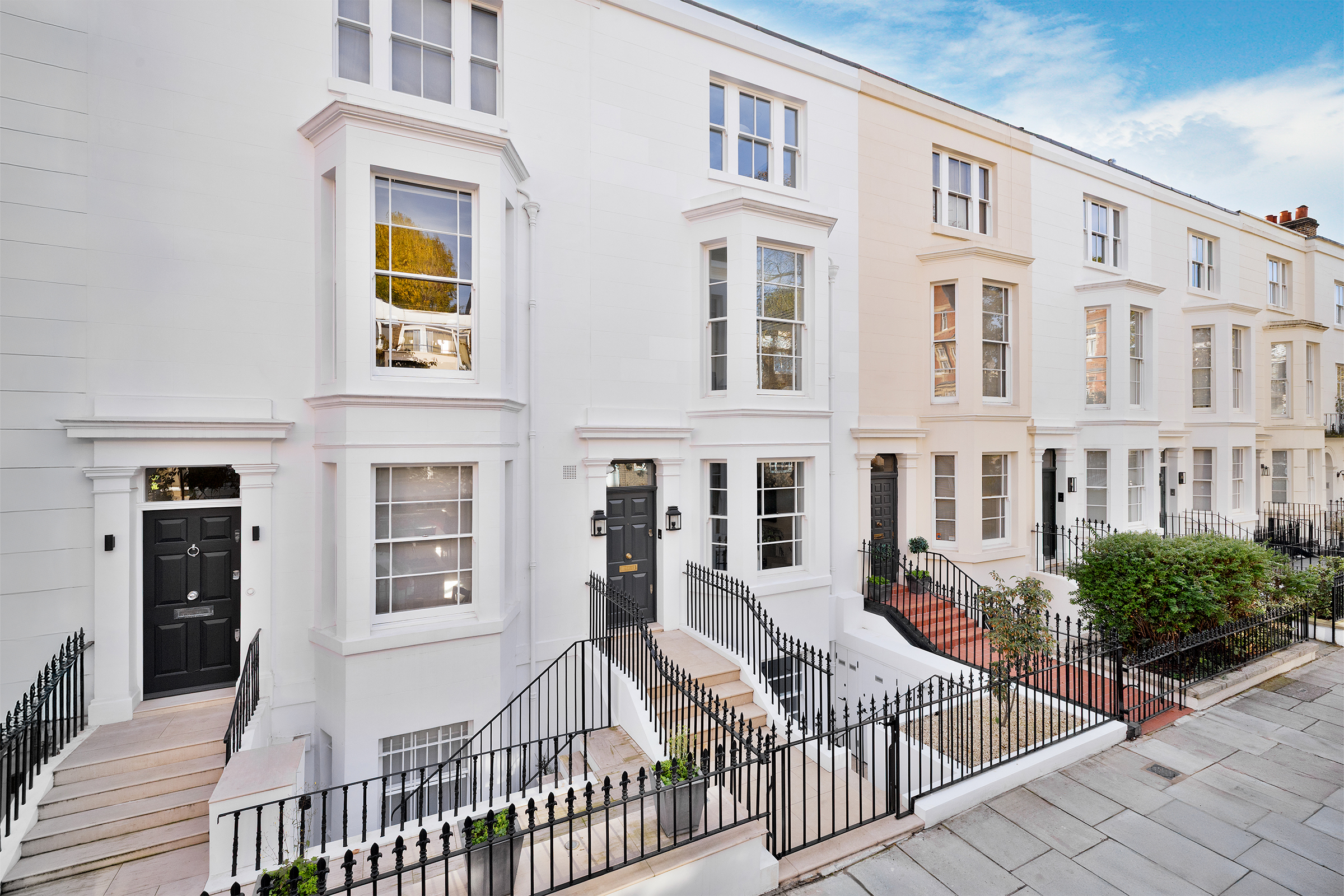


Forecasting London’s next property boom has always required investors to look beyond postcodes and while prime central addresses still offer long-term capital, they typically yield between 3.5 – 4.5%, largely depending on the property location and type.
Yet, by contrast, many of the emerging outer boroughs and regeneration zones are delivering rental yields above 5% and in some cases, approaching 6%, placing them well above the London average. With London’s population projected to exceed 9.5 million by 2030 and with a continued investment in transport, infrastructure and development, property value is also shifting outward. This trend is creating strong opportunities for capital appreciation and stable rental income in markets that historically sat slightly outside the mainstream investor’s focus.
Below are the areas consistently identified as having strong growth potential as we move towards and into 2026.

Southwark
Southwark offers a broad investment profile, due to its established prime markets with large-scale regeneration and higher-yielding neighbourhoods that give investors exposure to both income and long-term growth within inner London.
Growth potential is particularly concentrated in regeneration areas. The £3.3 billion Canada Water Masterplan and the £3 billion transformation of Elephant and Castle are reshaping large parts of the borough, with SE17 currently delivering some of the highest yields. Alongside residential investment, Southwark is also raising £1 million in its current funding phase and offers a fixed 4.1% annual return over five years. Capital is being directed towards solar energy and low-carbon heating to support the borough's ambition to become carbon-neutral by 2030.
Bayswater
Bayswater is being reshaped by the large-scale Queensway Regeneration investment, with around £3 billion of regeneration funding aimed at improving infrastructure, public spaces and transport. Young professionals are drawn to its Zone 1 location and improving amenities, which is already supporting stronger demand from renters and owner-occupiers.
Average rental yields currently sit at around 4.8%, with scope for further improvement as regeneration continues. Rents are expected to rise faster than house prices, which points to stronger income returns alongside capital growth.
Canary Wharf
Once possessing the status of a mono-functional business district, Canary Wharf has undergone a remarkable transformation over the past three decades, evolving into one of Zone 2’s most attractive residential investment markets. As of 2025, property values in Canary Wharf range between £540,000 and £610,000, whilst buy-to-let investors report gross rental yields at around 5% and demonstrate a respectable return in a London context, particularly in light of rising rental demand and limited stock.
The area's deep concentration of corporate offices employs over 120,000 people and supports a stable base of professionals seeking properties nearby. Those flats are increasingly supplemented by new residential developments tailored to long-term renters rather than short-term occupants. Transport links, including the Docklands Light Railway, Jubilee Line and more recently, the Elizabeth Line, ensure easy access to the City, Heathrow and beyond. For investors, the mix of stable corporate demand, rising attractiveness for renters, reasonable entry prices and sustained regeneration has placed Canary Wharf among attractive buy-to-let locations in the capital.
Battersea
Battersea benefits from its position just south of the river, within minutes of Chelsea and the West End, giving it a natural pull for buyers seeking easy access to the city centre without the intensity of central London living. These shifts have pushed buyer demand to new levels, with both value and rental interest rising steadily over recent years. According to the most recent published data, the average property prices sit at around £818,864 with rental yields of approximately 5.6%.
The redevelopment of Battersea Power Station, however, marked a turning point that elevated the entire area. What was once an industrial landmark has been reshaped into a major lifestyle destination, complete with architect-designed homes and riverside restaurants. The scale and ambition of the project have redefined perceptions of Battersea, turning it into a modern district with its own identity and energy. The neighbourhood’s appeal is strengthened further by the vast greenery of Battersea Park and the Northern Line extension, which has dramatically improved connectivity and shortened travel times to the City and the West End.
Greenwich and the Greenwich Peninsula
Greenwich stands out in several 2025 buy-to-let forecasts thanks to its strong yields and ongoing regeneration, particularly on the Peninsula. Rental yields in SE28 are estimated at approximately 6% with average prices significantly below many parts of London’s inner zones, making the borough a strategic option for investors who prioritise income returns.
Demand is supported by multiple demographic groups, university students, hospital staff, maritime-sector workers and families drawn by green spaces and waterfront surroundings.
The Greenwich Peninsula is one of London's largest regeneration projects and reports indicate that rental values here have risen sharply since 2019.
Esher
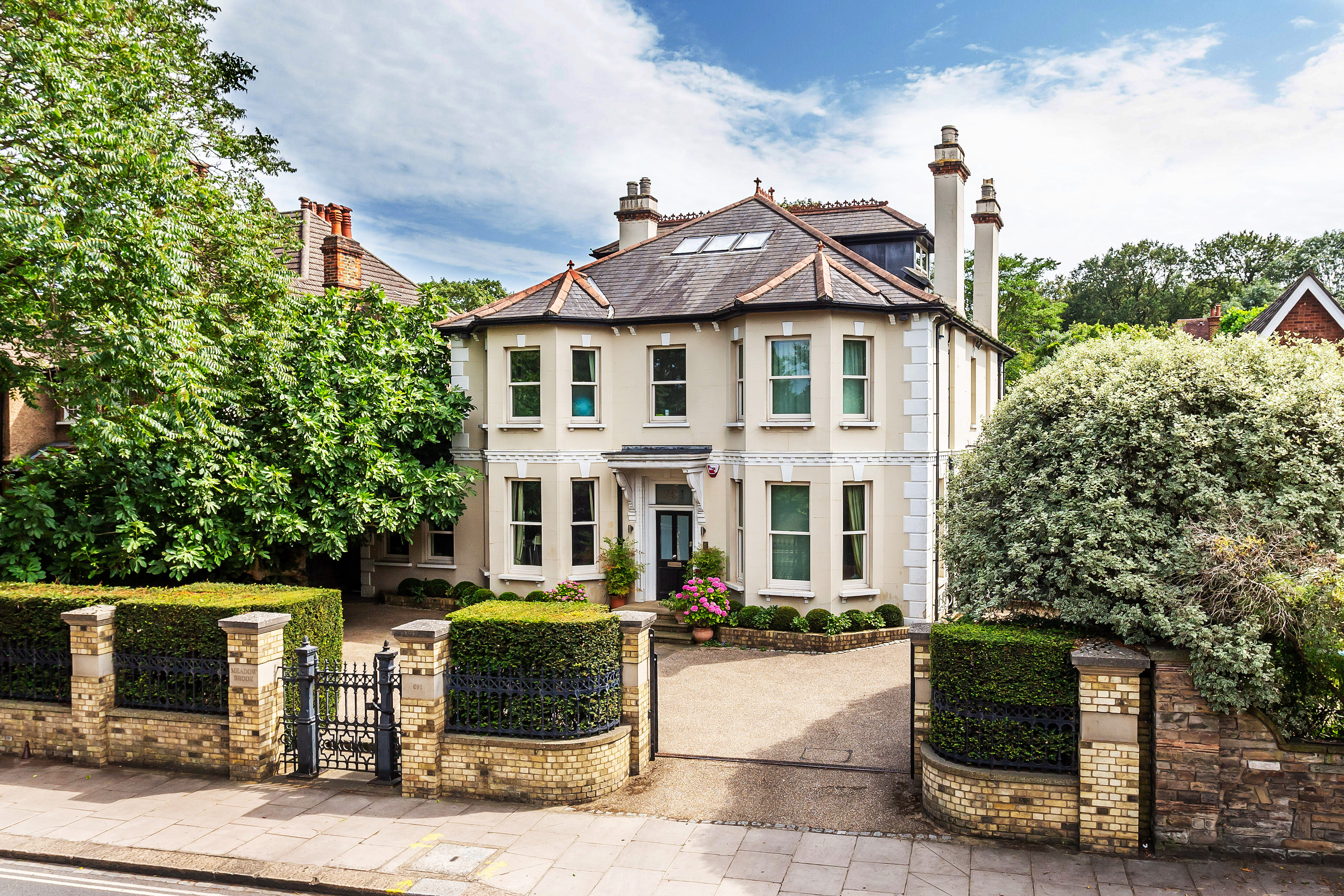
Although sitting well beyond London, Esher offers what many tenants and buyers actively look for within the prime commuter belt: strong schools, green spaces and a direct line into central London. Rental demand is consistent and largely needs-based, particularly from families who prioritise space and day-to-day livability, which also supports pricing across nearby Claygate and Cobham.
Average house prices sit at around £1.25 million and analysts predict that the area will begin to outpace central London price growth over the next decade, with forecast capital appreciation of 20-25%. The lettings market also remains strong and values are predicted to rise by 19% by 2029, whilst vacancy rates remain amongst the lowest in Surrey.
Each neighbourhood reflects a broader reordering of London’s properties and investors who look beyond the traditional prime core are finding markets with stronger yields and clearer long-term momentum.
With population growth and sustained public investment steadily reshaping the capital, these outer and emerging neighbourhoods appear set to boost the next chapter of London’s housing market.