

Stealth Wealth Homes: The Rise of Understated American Homes
For decades, wealth in America was often expressed through grand entrances, sprawling mansions, and homes designed to make an immediate impression. Today, a different aesthetic is gaining attention among some of the country’s wealthiest buyers. Rather than announcing their status, they are increasingly drawn to homes that offer exceptional craftsmanship and a sense of privacy.
What Is Stealth Wealth in Real Estate
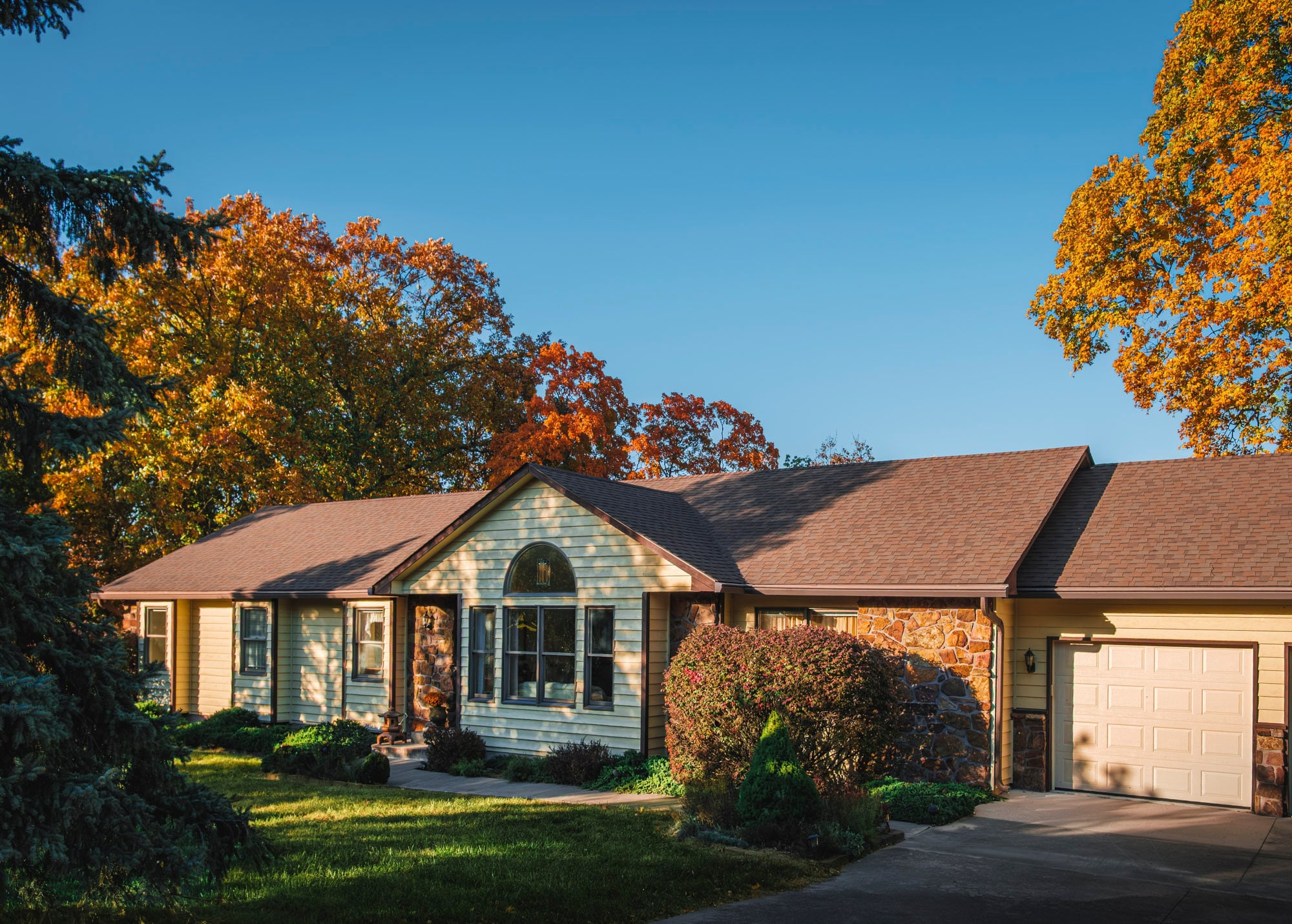
Stealth wealth is a movement that reflects a broader change in how affluent individuals approach their homes and lifestyles. The focus is shifting away from grand displays of wealth and towards considered architecture, natural materials, secluded settings, and spaces designed around personal comfort. In property, this can mean choosing a beautifully designed residence that feels understated from the outside, yet exceptional quality inside.
The distinction is not necessarily about size or price. A substantial estate can embody stealth wealth just as convincingly as a smaller residence when its appeal lies in its architecture, setting, and craftsmanship rather than spectacle. A carefully restored historic property, for example, may offer a more personal expression of wealth than a newly built home defined by noticeable interiors. The focus is on individuality, choosing a home for its character and suitability rather than its ability to signal status.
Why America’s Wealthy Buyers Are Choosing Privacy
For some affluent homeowners, a property’s appeal lies as much in the privacy it provides as in its design or location. Security and discretion can be particularly important for business leaders, technology entrepreneurs, investors, and other high-profile individuals whose professional lives attract public attention. As homes become more visible through social media and publicly accessible property records, maintaining a clear boundary between professional visibility and private life can be an important consideration.
For these buyers, a home can offer a place to step away from professional demands, spend time with family and enjoy a greater sense of seclusion. Features such as a bounded garden, a private entrance or a home set well back from the road may therefore carry considerable appeal, offering privacy without compromising on architectural quality or comfort.
However, this does not mean affluent Americans are abandoning more expressive displays of wealth. Rather, it suggests that some buyers are becoming more selective about what their homes communicate, placing greater emphasis on discretion, security and the experience of living in the property itself.
The Architecture of Understated Living
In property, stealth wealth is often expressed through materials, proportions and considered details that naturally catch people's attention rather than demand it. Details such as natural stone, warm timber, restrained colour palettes and carefully proportioned windows can create a sense of permanence without relying on excessive ornamentation.
In contemporary homes, this can translate into clean lines, generous natural light, and a close relationship between indoor and outdoor spaces. In historic properties, the same philosophy may be expressed through original architectural details and an emphasis on preserving the property’s character. The result is not a single recognisable style, but a shared preference for quality that reveals itself gradually. Landscaping also plays an important role. Mature trees, layered planting, enclosed courtyards and carefully positioned terraces can create privacy while allowing the home to sit naturally within its surroundings. Rather than adhering to a single style, these types of homes share a commitment to a subtle, enduring quality.
Beyond Design: The Rise of Discreet Property Transactions
The stealth wealth movement also extends to the way some properties are bought and sold. Rather than immediately marketing a home to the widest possible audience, certain sellers and buyers prefer a more controlled process. Privately marketed or off-market properties may be introduced to a select group of potential buyers through established professional networks.
For sellers, this approach may limit public exposure, reduce disruption, and provide greater control over how a property is presented. For buyers, it can offer access to homes that are not being promoted through public channels. In the high-end market, where discretion may be a priority for both parties, private marketing can form part of a more tailored buying experience.
Some purchasers also use ownership structures involving companies or trusts for legitimate privacy, estate-planning, or administrative reasons. These arrangements remain subject to applicable legal, tax, and disclosure requirements and do not guarantee anonymity. Independent legal and tax advice is essential when considering such structures.
Why Quality Matters More Than Status Symbols
One of the defining principles of understated living is that a home’s quality is often felt rather than immediately seen. Sound construction, durable materials, and carefully considered lighting can shape the everyday experience of a property in ways that decorative statements cannot.
Wellness can also influence how a home is designed and used. A dedicated study, a bespoke kitchen, a serene bedroom, or convenient access to outdoor space may contribute more to daily enjoyment than an extensive collection of showpiece amenities. For some buyers, the priority is not the number of facilities a property offers, but how naturally it supports their personal lifestyle. Although location, condition, maintenance, market demand, and the quality of the wider property are important, the enduring appeal of a home ultimately depends on how successfully its design serves the residents of the home.
A More Personal Definition of Luxury
Stealth wealth reflects a more personal approach to high-end property, where a home’s appeal lies in its craftsmanship, privacy, and ability to support everyday life. From secluded estates to carefully restored historic residences, these homes demonstrate that architectural distinction can be expressed through considered design rather than conspicuous displays. Ultimately, the appeal lies not in the impression a property makes on others, but in the quality of life it offers those who call it home.
Read More