

Remembrance Sunday 2026: History and Traditions
Each November, remembrance becomes part of everyday life across the UK. Red poppies appear on lapels, wreaths are laid at local memorials, and people gather to honour the fallen and those who have served in conflicts around the world.
In London, the commemorations take on a powerful significance. From the solemn ceremony at the Cenotaph in Whitehall to services in churches and memorial gardens, London provides a setting in which remembrance, history and national identity come together. For those wishing to observe the occasion, understanding its history, the significance of its traditions, and where to attend a service offers a meaningful way to show appreciation and respect for this important date in Britain’s national calendar.
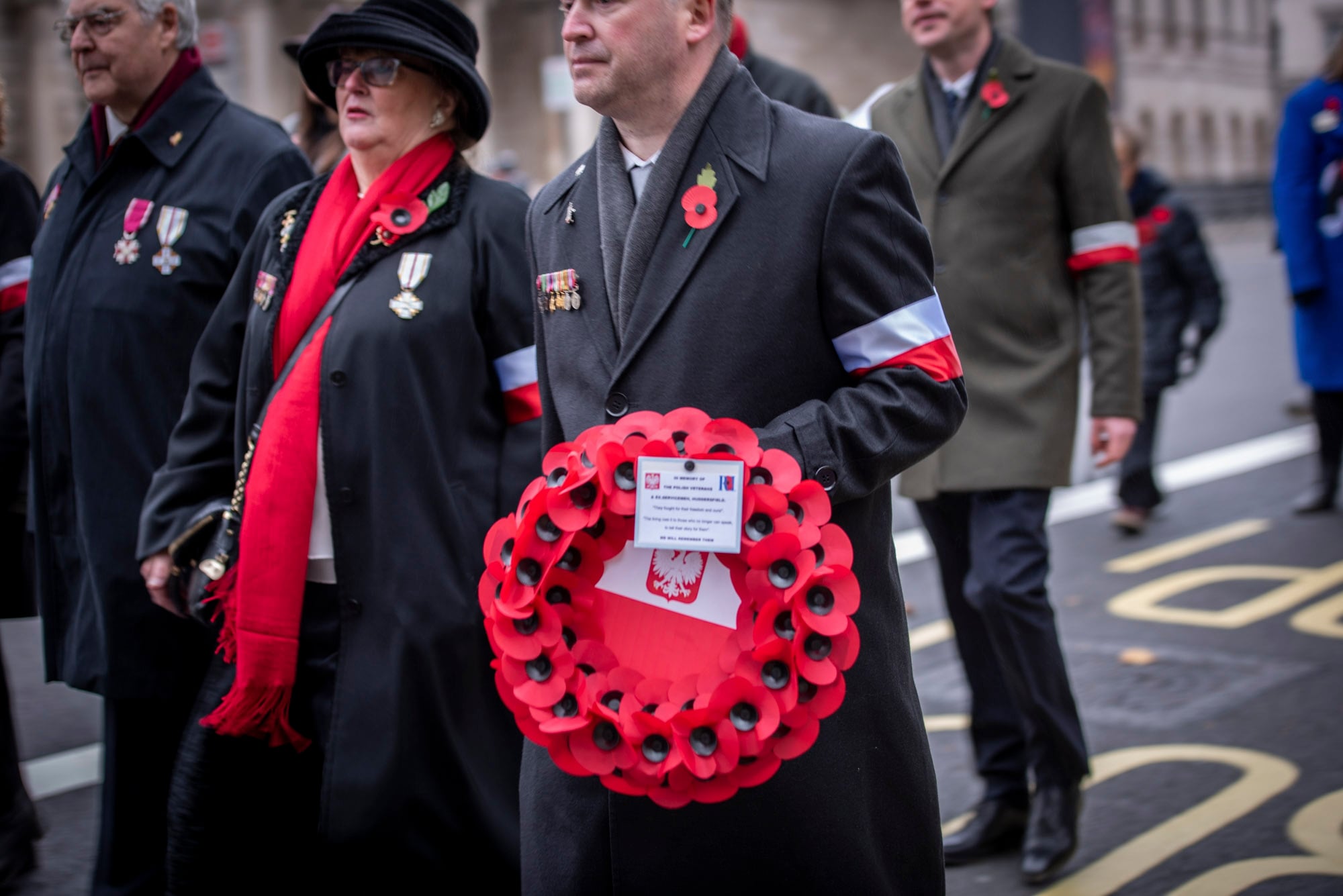
The History Behind Remembrance Sunday
Remembrance Sunday is observed on the second Sunday of November each year, bringing together the nation to honour members of the Armed Forces, civilians and others who have lost their lives in war and conflict. The occasion also recognises those who continue to serve, and military families and communities who bear the ongoing impact of service.
This occasion originates from the First World War and the Armistice signed on 11 November 1918, which brought the end of the war. The date became a lasting symbol of remembrance, with a two-minute silence at 11 am remaining central to the nation’s commemorations. Although the First and Second World Wars occupy an important place in the tradition, Remembrance Sunday extends beyond these conflicts. It recognises the service and sacrifice of British and Commonwealth soldiers involved in wars, military operations and other conflicts, alongside civilians whose lives have also been affected.
Today, Remembrance Sunday is characterised by church services, wreath-laying ceremonies, military parades and local gatherings. Its significance lies not only in looking back at history, but in recognising the lasting human consequences of conflict and the importance of preserving the memory of those who served.
When Is Remembrance Sunday in 2026
Remembrance Sunday falls on Sunday 8 November this year. The main national ceremony takes place at the Cenotaph on Whitehall in central London, beginning at 11 am with a two-minute silence. This date is separate from Remembrance Day, which occurs annually on 11 November.
The two occasions are closely connected, but each has its own significance. Remembrance Day marks the anniversary of the 1918 Armistice agreement that ended the fighting of the First World War, while Remembrance Sunday is the national tribute day that provides an opportunity for the country to gather collectively and honour those who have served in all conflicts.
Across the UK, local authorities, churches, veterans’ organisations and community groups organise their own services. These may include processions, readings, prayers and wreath-laying ceremonies at local memorials, allowing residents to pay their respects within their own communities.
The National Service of Remembrance at the Cenotaph
The Cenotaph on Whitehall is the heart of the UK’s national Remembrance Sunday commemorations. Designed by architect Sir Edwin Lutyens, the Portland stone memorial was unveiled in 1920 and has since become one of the country’s most recognisable symbols of remembrance.
On Sunday 8 November 2026, the National Service of Remembrance will begin at 11 am. The ceremony will feature the Royal Family, government representatives, military leaders, veterans and representatives of organisations connected with the Armed Forces. Wreaths are laid at the memorial, followed by a march involving thousands of veterans and eligible participants. The two-minute silence is one of the most moving moments of the ceremony, as the nation falls quiet, attention turns to those whose lives were lost and to the families who continue to carry their memories.
Members of the public are welcome to watch from designated areas along Whitehall and Parliament Street. Public viewing areas are scheduled to open from 8 am, with the ceremony beginning at 11 am. Those unable to attend in person can also watch the national commemorations on television. The Cenotaph’s position among Whitehall’s historic buildings adds to the significance of this event. Surrounded by institutions closely associated with Britain’s political history, the memorial provides a setting in which architecture and national memory meet.
Other Remembrance Events in London
Although the Cenotaph receives the greatest national attention, London offers several other opportunities to reflect and pay tribute throughout the Remembrance period.
Westminster Abbey is closely associated with the capital's commemorative traditions. Its annual Field of Remembrance provides a deeply personal commemoration, with small crosses and tributes placed in honour of those who died in military service. The display allows visitors to reflect on individual lives and family histories, complementing the scale of the national ceremony at Whitehall.
The Royal British Legion’s Festival of Remembrance at the Royal Albert Hall is another important event in the annual calendar. Traditionally held on the Saturday evening before Remembrance Sunday, it combines music, performances and military participation in a programme dedicated to remembering those who served. Its atmosphere differs from the formal proceedings at the Cenotaph, offering a reflective event that brings together audiences from across the country.
How to Observe Remembrance Sunday Respectfully
Remembrance Sunday is a solemn occasion, and a little preparation can help visitors participate respectfully. Those attending a public ceremony should arrive early, follow the instructions of the police and event stewards, and be prepared for security checks.
Smart, weather-appropriate clothes are advisable, particularly for those who are planning to stand outdoors for an extended period. November temperatures can be very low, and the rain is always a possibility, so a warm coat and comfortable footwear are sensible choices. During the two-minute silence, visitors are encouraged to remain quiet and avoid actions that might disturb others. Photography may be permitted at some events, but it is considerate to put cameras and mobile phones away during the silence and follow any instructions given by organisers.
Wearing a red poppy is a familiar way to show support for remembrance and the work of the Royal British Legion. The organisation’s annual Poppy Appeal raises funds to support serving and former members of the Armed Forces, veterans and their families. Donations, volunteering and participation in local commemorations are other ways to contribute.
For those who cannot attend a service, participating in the two-minute silence at 11 am wherever you are on 8 November offers a simple yet meaningful way to show your support. Remembrance does not require attendance at a major ceremony; its significance lies in taking time to honour and reflect on those who made incredible sacrifices.
A Moment to Remember
Remembrance Sunday remains an important moment in Britain’s national calendar, bringing people together to honour those who served and sacrificed their lives in conflicts past and present. In London, the Cenotaph, Westminster Abbey and the city’s many local memorials provide places to reflect on this shared history and the lives behind it. Whether attending a formal ceremony, visiting a field of remembrance or observing the two-minute silence at home, the occasion offers an opportunity to remember and pay tribute to those who are deserving of recognition.