

The role of small, grass-roots music and arts venues in the UK has been integral to the vast cultural output of this small island for decades. It is here on the small stages, in the low-light, where talent takes tentative steps to experiment, to learn, to grow and develop their craft in front of an audience providing essential feedback.
From The Cavern in Liverpool, which gave The Beatles their first crowds, to The Marquee in London, where The Rolling Stones, David Bowie and Led Zeppelin once played and on to The Boardwalk in Manchester, where The Stone Roses and Oasis first took to the stage, these places became incubators for what would eventually become global acts. Unfortunately, as the demise of both The Marquee and The Boardwalk demonstrates, these vital elements in the country’s cultural machine have been ignored, unpreserved and left to fall away. This leaves new generations of artists with fewer opportunities to showcase their work and less chance to become everything they could be.
The Arts Heart of West London
Notting Hill Arts Club is a rare example of a grassroots venue that has managed to adapt and survive through challenging times to thrive in the 21st century. Since opening its doors back in 1997, it has held firm on its mission to ‘provide a safe space for creative people to immerse themselves in music, art and culture’. Set within the elite enclave of Notting Hill Gate, this place is now a pioneering force for the discovery and development of young artists. Musicians, DJs, artists, sound collectives and emerging promoters all rely on the fantastic venue as a crucial platform that allows them to find the missing ingredient that they need to establish their own act, an audience.
Where Inspiration Meets Atmosphere
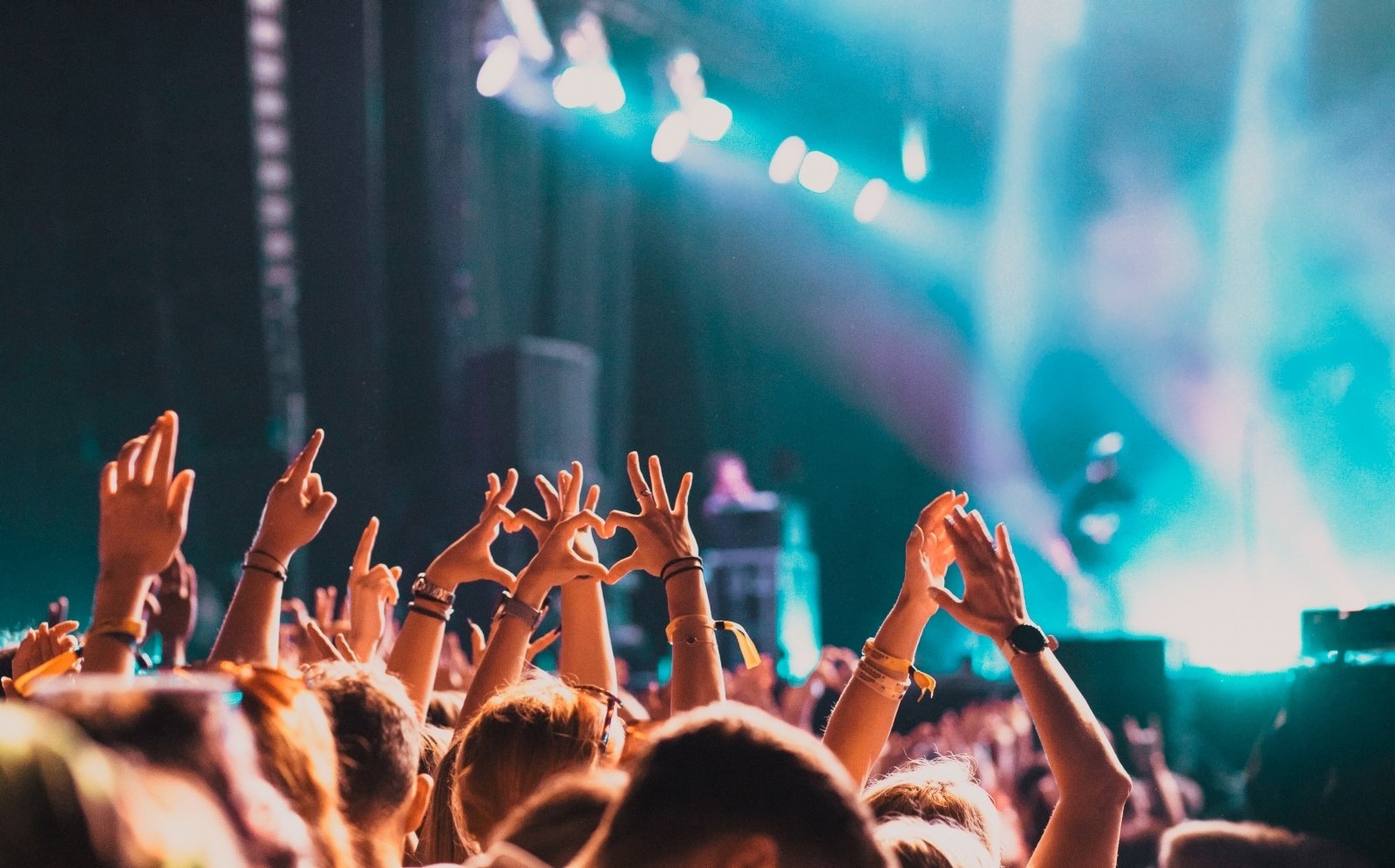
As one would expect, the programme at Notting Hill Arts Club is eclectic and the atmosphere can often be electric. Live music is a staple with bands, solo acts and nightclub taking up the calendar most nights. With a maximum capacity of around 200, this is an intimate and up close experience where the artist and audience share the same space for those moments of musical alchemy that can change lives forever.
As a launchpad, it has some serious credibility in this regard too. Lily Allen started her career at The Notting Hill Arts Club with some transformative performances that quickly turned heads in the music industry. Similarly, The Libertines would play here to an already devoted fanbase before becoming one of the country’s biggest-selling acts in the indie rock world. Mark Ronson honed his craft behind the decks on a number of evenings as he continued his ascent into one of the most successful record producers of the last fifty years and the Grammy-winning Gregory Porter first brought his modern take on jazz and soul to London via the Arts Club stage.
This is an astonishing roster for recent times in the classic example of a basement club where new artists are prioritised and encouraged at all times. It represents exactly what is possible when ambitions are high and the chances are all available to be taken.
Setting The Record Straight
In 2019, the team at Notting Hill Arts Club launched a record label to capitalise on their standing and influence on the music scene, Notting Hill Arts Club Records (NHACR). The label champions new artists, giving them an ideal progression from the stage to find bigger audiences through recorded work. This philosophy is augmented by a further link with the Notting Hill Academy of Music that plays a vital role in the music education and vocational training of an aspiring new generation of songwriters, producers, performers, bands and artists. The mission that Notting Hill Arts Club created almost thirty years ago is to find new ways to help and more ways to matter for the future.
Future Proofed Facilities
Notting Hill Arts Club now has everything required to help take an emerging act to the very top. The main stage is fitted with a world-class sound system and HD visual projection for an immersive show at all levels. There has even been a recent addition of a secondary bar-area stage that serves as the perfect spot for ultra-intimate acoustic showcases and for streaming shows across the internet that can be broadcast worldwide at any time.
The full artist ecosystem that is now available at Notting Hill Arts Club is blazing a trail for grassroots arts venues all over the country. It shows how important it is to adapt and innovate in flexible ways to meet the demands of new audiences and media platforms that allow the acts to develop at their own pace. Importantly, the visceral thrill of watching a new band, artist or performer take their first steps on the stage is still very much alive and well here. That is something everybody in West London should be proud of and make use of to ensure it continues for a long time to come.