

It is fair to say that Frank Gehry understands how important the design language and forms of the built environment are to the culture it supports. As one of the most influential living architects on the planet, he has devoted his life to the study and practice of creating remarkable and award-winning structures and spaces. He was once quoted as saying that ‘Architecture should speak of its time and place but yearn for timelessness’ and this central tenet has indeed been evident in every major architectural movement since antiquity.
Meeting Modernity
Modern Architecture, Modernist Architecture, or the Modern Movement, as it can all be referred to, was a broad style that came to prominence in the 20th century and can be seen to represent Gehry’s feelings perfectly. Eminent design figures such as Le Corbusier, Ludwig Mies van der Rohe and Walter Gropius had identified how important it was for architecture to begin looking forward, and all around, for inspiration without having to retread the well-worn paths of the past.
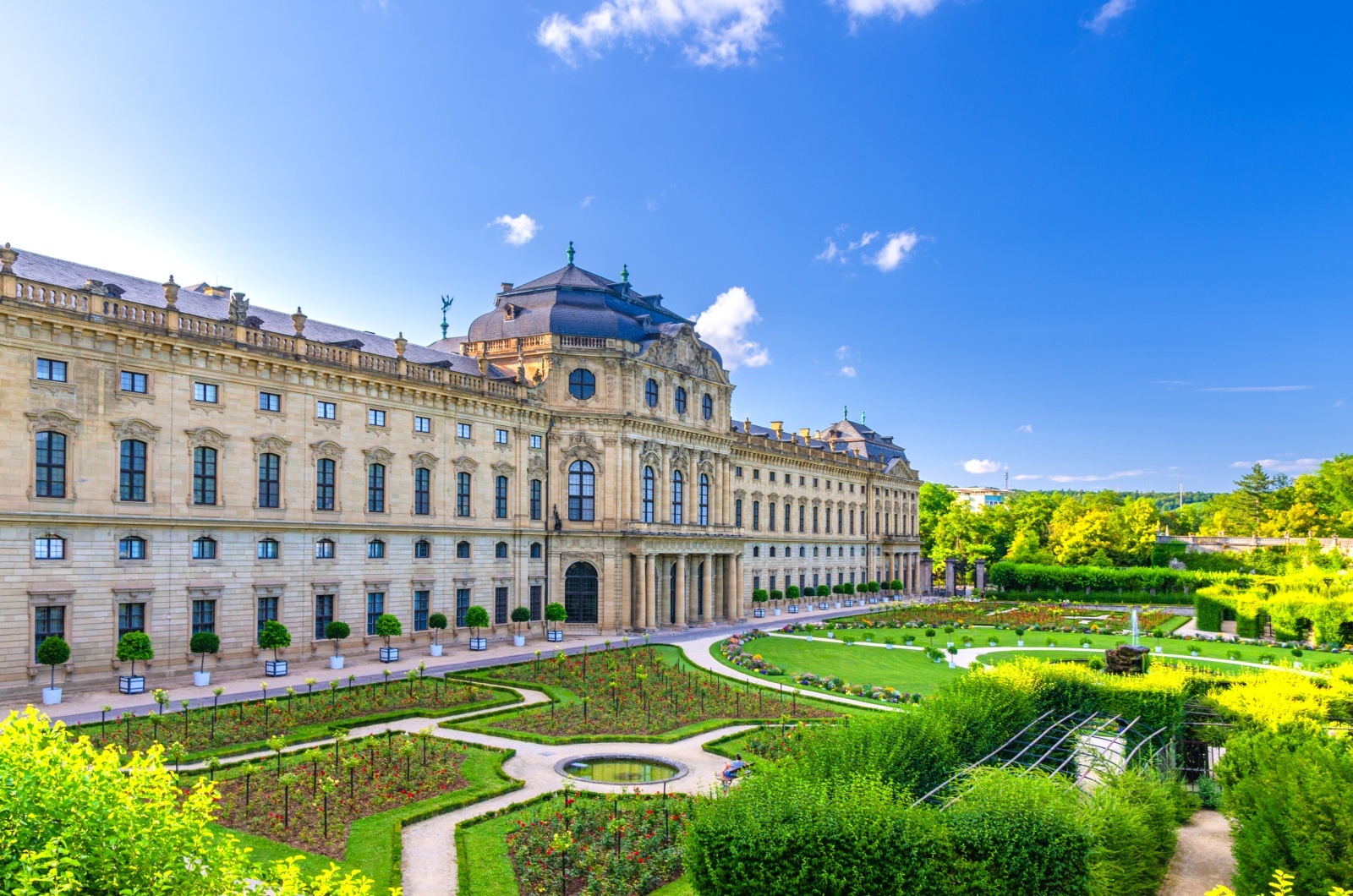
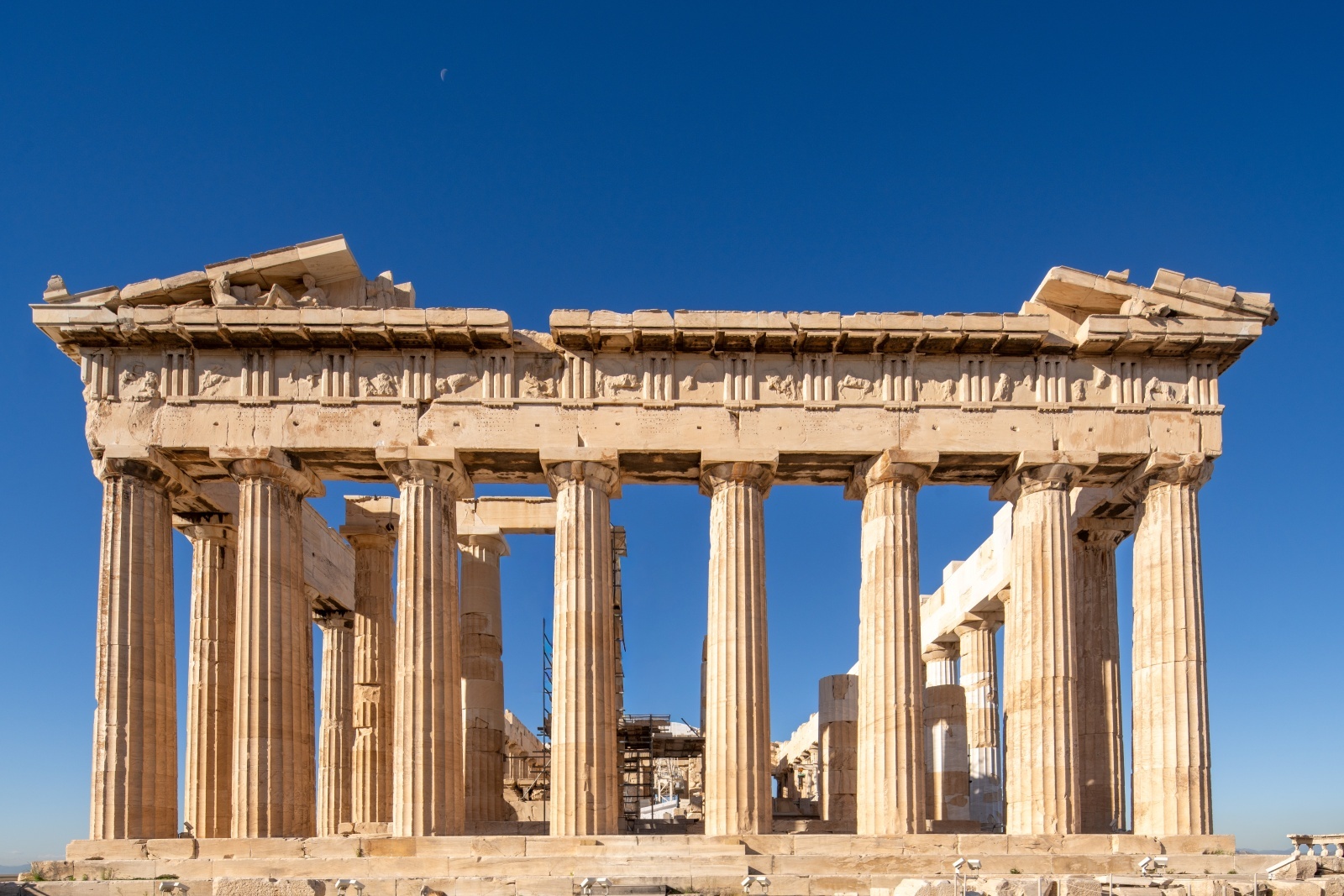
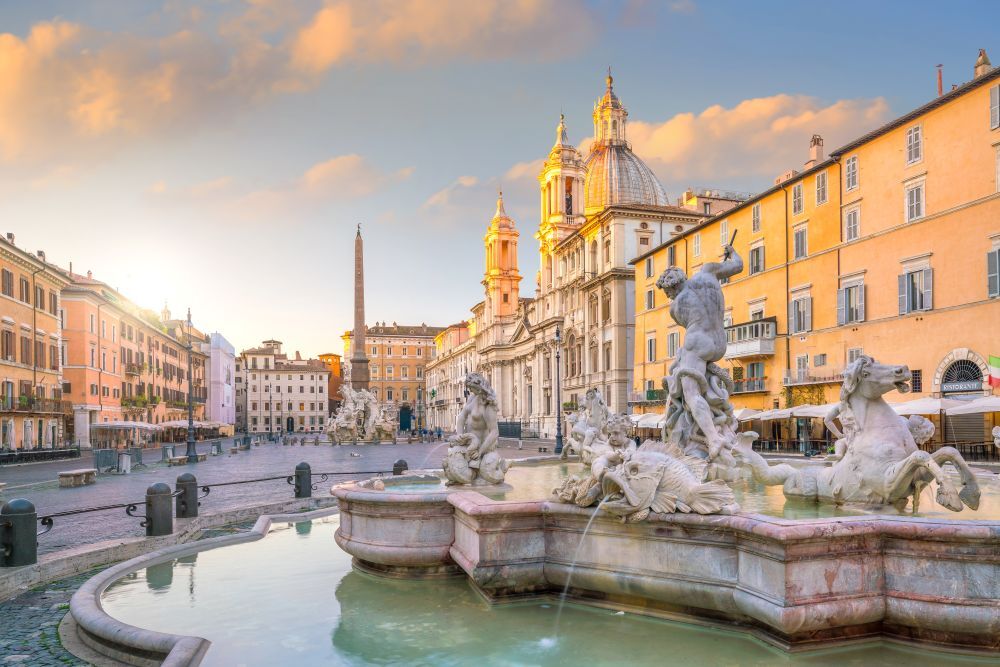
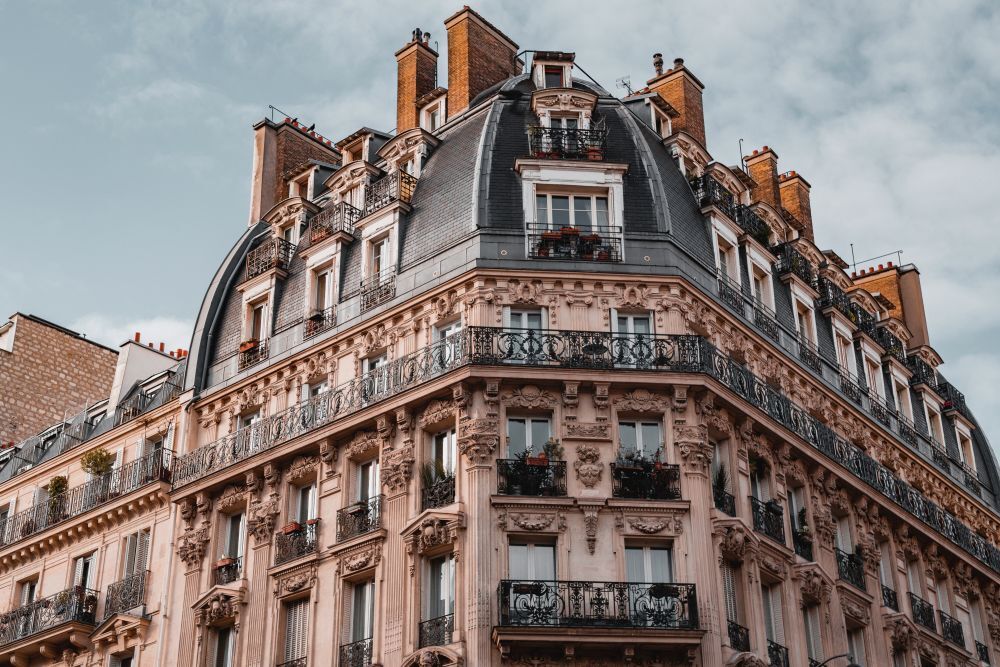
Before Modern Architecture, the chief concerns of building design and development dealt with symbolism, history and ornamentation, often harking back to past eras in revivalist styles and working on the philosophy of creation as a way to access and celebrate divinity. The vast churches, temples, palaces and grand municipal buildings all over the world had been testament to this impulse, their presence still written clearly into landscapes shaped by successive generations.
Taking Form
What instantly set Modern Architecture apart from everything that had come before was its commitment to breaking these long-held traditions and embracing new ideas. It wanted to observe and assess the world as it was, with the era of industrialisation having brought about great change and new advances in technology beginning to appear everywhere.
Methodology & Beliefs
It is possible to view modernist architecture through the lens of a collection of core ideas that were at play in its development. These beliefs were the product of societal shifts relating to modernism in a wider cultural context and the emergence of new materials that could then be commandeered by modern architects as part of their visual grammar.
Form Follows Function
This may be the most important aspect of all for modern architecture. Buildings in this style must be shaped by their purpose and not dictated by decoration. The way that people would interact with the space they live, work and move within should be the defining force for its form. This was the most honest approach to start with and anything else appeared unnecessary or dishonest to the Modern Architects.
Truth to Materials
Modern Architecture wanted to represent materials in a truthful way to highlight what they actually are. There should be no disguise or imitation that looks to older traditions where plaster is tooled to look like stone, or steel and concrete are hidden. A modern building should express its structure in a rational way, where concrete was exposed and steel frames were visible, holding large sheets of glass that revealed the structure within.
Progress is Prioritised
The majority of designers responsible for Modern Architecture believed that their work was charged with an important civic purpose. It was the role of new cities and the buildings that they were shaped around to reflect the people and times that they were created for. Housing, communal spaces, schools and workplaces required a simplicity to replace the complex forms of historical architecture. This was to be where industry, technology and new ideas would be housed together and the spaces should instil optimism and positivity at all times.
Celebrate Simplicity & Clarity
Modern Architecture advocates understood that the beauty of a building was in the precision, honesty and purpose that determined its entire existence. The proportions created and materials used were the most transparent and simple ways of ensuring success without having to rely on symbols and motifs to tell the story of what a space was for. Clarity came through uncluttered forms with sharp, clean lines and expressions of geometry that felt logical and intentional to promote calm and visual order everywhere.
Examples in the Capital
The city of London was rather cautious and relatively slow in how it embraced Modern Architecture. Unlike other cities such as Berlin or Chicago, it experimented with the style in the early 20th century, layering it in fragments over the streets and districts that had stood for hundreds of years. However, after the devastation of World War II, entire areas required extensive rebuilding, and Modern Architecture became the defining framework for it.
The Royal Festival Hall
This is perhaps the most important modernist public building in Britain. It was opened in 1951 on the South Bank of the River Thames with a design team led by Robert Mathew and Leslie Martin, with contributions from the modernist pioneer Peter Moro. This remains a triumph of reinforced concrete and glass with vast open foyers and public spaces that are intended to drive transparency and social mixing. Importantly, in 1988, this was the first major post-war building anywhere in the country to receive Grade I listed status.
Bevin Court
Bevin Court in Finsbury is a proud representation of refined and socially-driven Modern Architecture. Created by Berthold Lubetkin in 1954, it is a confident concrete collection of homes and communal spaces that showed how affordable housing could be designed with intelligence, dignity and community in mind. The famous triangular staircase is considered to be a particular highlight that stands as testament to the modernist principles of functional expression. Lubetkin once commented that ‘Nothing is too good for ordinary people’ and Bevin Court was evidence of that wonderfully liberating influence for the working-class people of London at the time.
A Lasting Legacy
Modern Architecture laid the way for more extreme and raw interpretations of its ideas, as best expressed through the rise of Brutalism with its heavier and colder aesthetic. It also led to the emergence of High-tech Architecture that built on the spaces that Modernism had left during the 1970s and 80s. This style exposed even more of the inner workings, services and systems to make them design features in themselves.
Significantly, in the very same spirit of rejection and conflict with what came before, it also led neatly into Postmodern Architecture, which viewed Modernism as too rigid. Postmodernism therefore reacted against it by adding more playful elements, symbolism and ornamentation back into a looser framework of ideas. Which was of course, a new philosophy that spoke of its own time and place in a perfectly appropriate way, exactly as architecture should always do.