

First run in 1839, the Grand National at Aintree Racecourse has evolved from a modest steeplechase into one of the most significant events in global sport. In 2026, the Randox Grand National is due to take place from 9 to 11 April to bring together nearly two centuries of racing history.
The 2025 Randox Grand National attracted a peak television audience of approximately 5.2 million viewers in the UK, broadcast on ITV and across the three days, more than 150,000 spectators attended in person at Aintree.
Looking ahead to 2026, attendance for the festival is expected to remain in the region of 150,000 spectators. Internationally, the race continues to reach a global audience in the hundreds of millions, with estimates placing worldwide viewership between 500 and 600 million.
In this guide, we explore the Grand National’s development and the way the race still commands a wide public following.
History
First run in 1839, the race began life as the Grand Liverpool Steeplechase, with the inaugural running won by a horse named Lottery. Early editions bore little resemblance to the modern contest, with horses required to jump stone walls, cross ploughed farmland and clear rudimentary obstacles. Even in its earliest form, it was longer, harder and more demanding than anything else on the racing calendar.
A defining moment came in 1843, when Edward William Topham converted the race into a handicap. This established a principle that still defines the Grand National today – success depends not just on speed, but on stamina, judgement and balance under pressure. The Topham family, who owned extensive land around Aintree, later purchased the racecourse outright in 1949 after more than a century of leasing the land.
By the late nineteenth and early twentieth centuries, the Grand National had already become a national fixture. Repeat winners such as Abd-El-Kader and Reynoldstown entered the record books, while the course itself became increasingly formalised.
Revival of the Race
The post-war years brought genuine uncertainty. Financial difficulty, ownership changes and concerns over the future of the race threatened Aintree’s survival. At one point, the course was sold to property developers. No discussion of the race’s heritage can avoid Red Rum, whose three victories in the 1970s not only secured his place in sporting history but helped preserve the Grand National’s cultural relevance during this period of instability.
Bookmakers Ladbrokes, who managed the race until the mid-1980s, stabilised the event, with subsequent sponsorship and investment laying the foundations for recovery. This eventually culminated in Aintree’s current ownership by The Jockey Club.
Today, the modern Grand National remains run over two laps, with 30 fences and a distance of four miles, two furlongs and 110 yards. Obstacles such as Becher’s Brook, The Chair and Canal Turn remain among the most recognisable and feared in world racing.
Watching the Grand National at Aintree
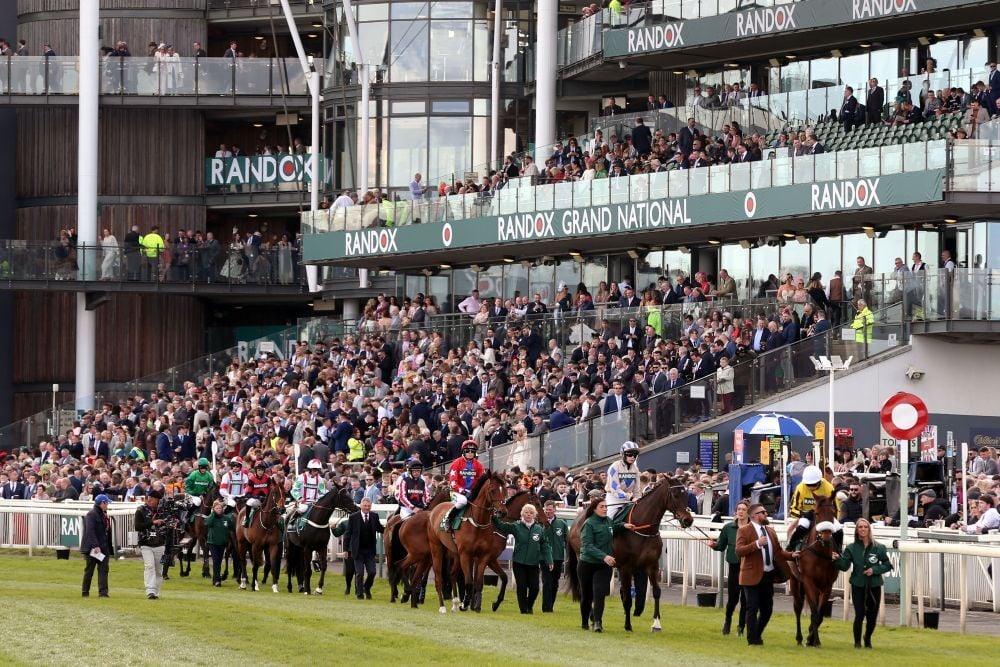
While the race itself unfolds over just a few minutes, how it is experienced on the day varies considerably depending on where spectators choose to watch from. Aintree Racecourse is divided into a series of enclosures and stands, each offering a different way of viewing.
Entry-level enclosures such as the Festival Zone and The Embankment provide a lively and informal experience, with big-screen coverage, live music and views over key sections of the course. These areas are popular with first-time visitors and groups looking to soak up the wider atmosphere.
Mid-tier options, including terraces and roof areas near the Parade Ring, Winners’ Enclosure and horsewalk, allow spectators to see horses up close before and after races, as well as enjoy clearer sightlines across the course. These spaces offer a more traditional race-day feel without the formalities of hospitality seating.
For those prioritising uninterrupted views of the finishing post and final fences, reserved seating and elevated roof areas provide the most comprehensive vantage points. These enclosures tend to offer partially covered seating, exclusive bars and closer proximity to the decisive moments of the race itself.
Across all enclosures, access to entertainment zones such as the Red Rum Garden and Aintree Pavilion helps maintain the festival’s harmony between sport and social occasion, which is a defining feature of the modern Grand National.
The Grand National Festival 2026: Day-by-Day Guide
Unlike many elite sporting events, the Grand National has never been perceived as exclusive. Often described as the “people’s race”, it attracts casual viewers and once-a-year betters alongside committed racing followers.
Thursday 9 April – Opening Day
Opening Day sets the tone for the race, with a more relaxed atmosphere that appeals to first-time visitors, featuring high-class racing alongside live music and entertainment.
- Gates open: 11.00am
- First race: 1.45pm
- Final race: 5.15pm
Friday 10 April – Ladies Day
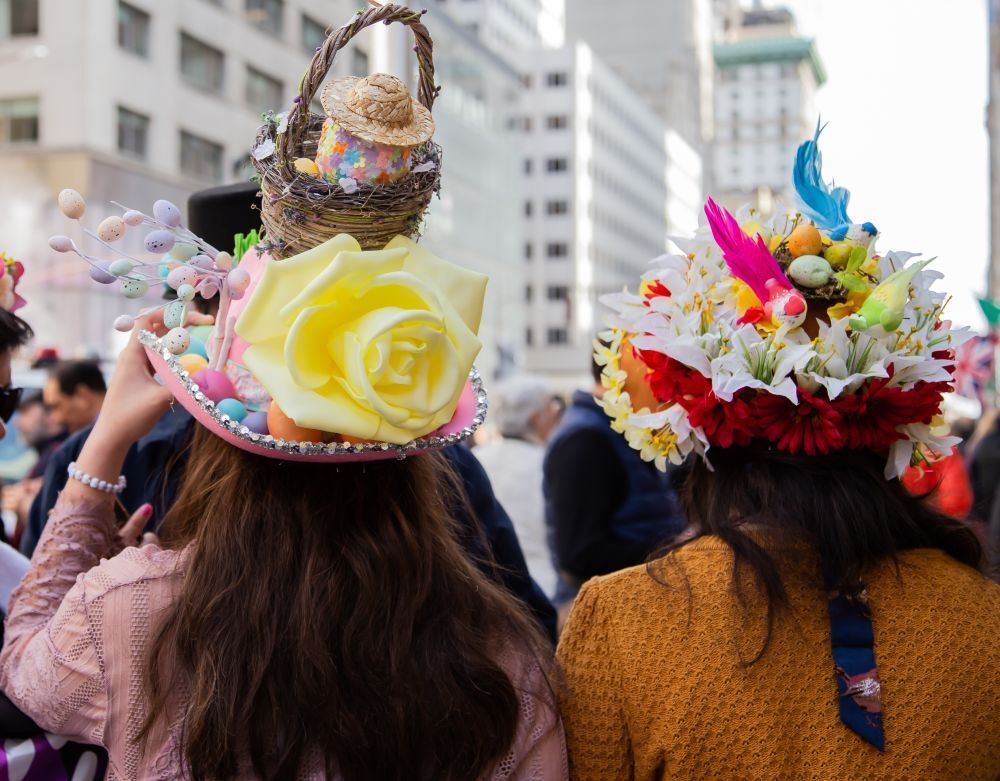
Day two is the renowned Ladies Day, where fashion and style take centre stage. For the seventh consecutive year, Aintree Racecourse will present a prize to the winner of the Style Award.
- Gates open: 10.30am
- First race: 1.45pm
- Final race: 5.15pm
Saturday 11 April – Grand National Day
The highlight of the festival and the sole focus of the afternoon, Saturday is reserved for the Grand National itself.
- Gates open: 10.00am
- First race: 1.20pm
- Grand National race: 5.15pm
- Final race: 6.20pm
Despite the scale of the festival, the race remains unchanged in its essentials: forty runners, two laps, thirty fences. In recent years, increased emphasis has been placed on welfare and safety, including adjustments to fence design, field management and veterinary protocols.
What has not changed is uncertainty. Favourites fail as often as they prevail, unfamiliar names continue to enter the record books and outcomes remain stubbornly unpredictable. This is the principle around which the Grand National has always revolved.