

Frieze London & Frieze Masters: Where Art Meets London
Every October, London becomes a meeting point of the international art world. Galleries, collectors, artists, and curators converge on the capital, transforming the city into a celebration of creativity, collecting, and ideas. At the centre of this annual moment are Frieze London and Frieze Masters, set in the prestigious Regent’s Park. In 2026, the fairs return from 14 to 18 October 2026, bringing together almost 300 galleries and 48 countries and regions across six continents.
Yet Frieze is about more than the artworks displayed within its galleries; it reflects London’s position as a global cultural capital. It offers an opportunity to consider how art, architecture and collecting shape the way we experience a city and ultimately the way we live.
A Global Art World in Regent’s Park
Frieze London and Frieze Masters occupy The Regent’s Park each autumn, bringing an extraordinary amount of attention to the artistic perspectives of the capital. The 2026 edition spans generations, disciplines and geographies, creating a relationship between contemporary practice and art history.
Frieze London focuses primarily on contemporary art, providing a platform for established and emerging galleries and artists. Frieze Masters takes a broader historical perspective, presenting works ranging from ancient art and Old masters to significant examples of twentieth-century art. More than 130 galleries are participating in this year's edition of Frieze Masters. Together, the two fairs create a fascinating contrast: one looks towards where art is going, while the other explores where it has come from.
Frieze London: Contemporary Perspectives
Frieze London has become a major event in the international contemporary art calendar, with its galleries bringing together artists and ideas from all over the world. This edition introduces new curatorial perspectives alongside returning sections. Among them is The Code Universe, exploring mass culture and societal transformation, while Artist-to-Artist invites established artists to select emerging voices for solo presentations.
This emphasis on discovery is part of what makes contemporary collecting so compelling. A visit to Frieze London can introduce a collector to an artist whose artwork may not yet have been released to the public, while established names provide opportunities to engage with practices that have already shaped contemporary culture. The fair therefore becomes more than a marketplace; it becomes a place for looking closely, asking questions, and developing a deeper understanding of the artists redefining the norm.
Frieze Masters: Art with a Sense of History
Where Frieze London looks towards contemporary practice, Frieze Masters creates a conversation with the past. Founded in 2012, Frieze Masters brings together thousands of years of art history, from ancient objects and Old Masters to modern and twentieth-century artworks. Its 2026 programme introduces new perspectives on art history through sections including Spotlight, Reflections and Queering Modernism.
For Collectors, this creates an opportunity to encounter artworks within a much broader historical context. The experience is not simply about seeing individual objects. It is about understanding history, craftsmanship and influence that allow a piece of artwork to remain relevant across generations. That sense of continuity is one of the defining qualities of collecting. A painting, sculpture or object can begin its journey centuries ago and continue to acquire meaning as it passes between collections, institutions and generations.
The Art of Collecting
For many visitors, Frieze is as much about collecting as it is about viewing. The process of acquiring art is deeply personal, shaped by individual interests, experiences and ways of seeing. A collector might be drawn to a particular artist or period, respond to a particular idea, or simply connect with an artwork on an instinctive level.
There is also a more considered side to collecting. Frieze Masters highlights the importance of research and expertise, with factors such as provenance, condition, rarity, and historical significance helping to establish an artwork’s place within a collection. Contemporary collecting can involve a similar process of discovery, as emerging artists introduce new perspectives while established names offer connections to movements and ideas that have shaped cultural history.
Over time, a collection can become a record of its owner’s interests and experiences. The artworks may span different periods and perspectives, but together they can create a personal narrative that continues to evolve.
Art Beyond the Fair
The influence of Frieze extends well beyond the tents of Regent's Park. During Frieze Week, exhibitions and cultural programmes take place across London, connecting the fairs with galleries, museums and institutions throughout the capital. The 2026 programme includes exhibitions at venues including the Royal Academy of Arts, Tate Britain, Tate Modern, the British Museum, the National Gallery, the Courtauld Gallery and the Serpentine.
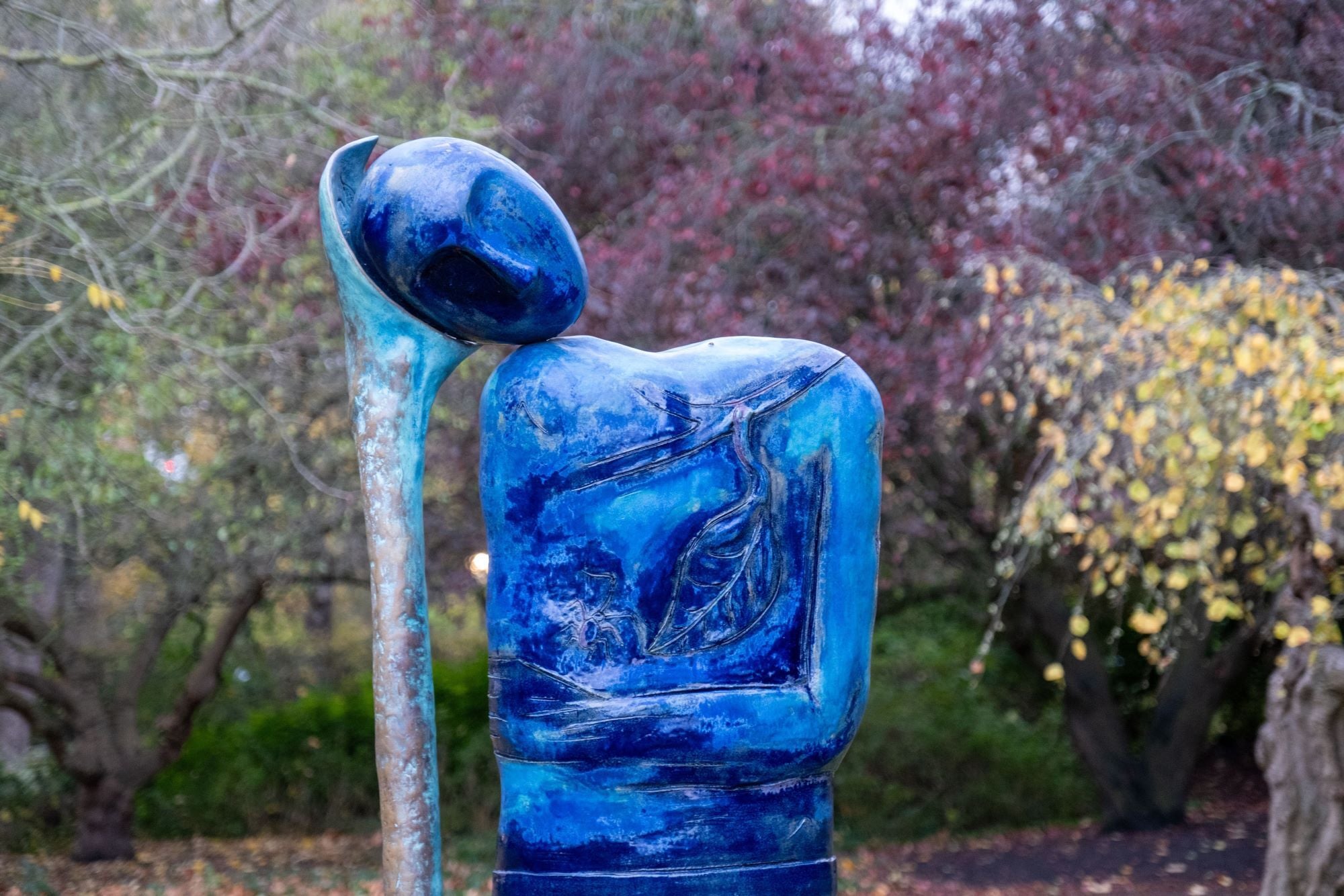
The Frieze Sculpture provides another opportunity to experience art within the landscape itself. The free exhibition runs through the English Garden of Regent’s Park from 16 September to 1 November 2026. This city-wide presence is part of London’s particular appeal. Art can exist anywhere. It can be encountered in museums, galleries, public spaces, restaurants, historic buildings and private homes, creating a cultural landscape that continues to evolve around those who live within it.
When Art Becomes Part of the Home
For collectors, the relationship with art does not end when the work leaves the gallery. The home becomes the setting in which a collection is lived with and experienced, making architecture and interiors an important part of the story. The proportions of a room and the relationship between spaces and intricate details can all influence how a work is perceived.
A contemporary sculpture might sit within a landscaped garden, while a historic painting may find its place within the proportions of a period drawing room. The most successful pairings can create a relationship between artwork and architecture, allowing each to bring out qualities in the other. For buyers with an established collection, this can make the character of a property particularly significant. Rather than simply providing a backdrop, the home can become part of the collection itself, shaping how individual works are displayed, experienced, and enjoyed over time.
A Lasting Relationship Between Art and Home
Frieze London and Frieze Masters offer different perspectives on art, from emerging contemporary voices to works shaped by centuries of history. Together, they reflect the many ways art can influence how we see the world, preserve cultural narratives and express individual points of view.
For collectors, that relationship often extends beyond the gallery or fair. The artworks people choose to live with become part of their homes, interacting with architecture, interiors and the objects around them. In London, where historic residences sit alongside a continually evolving cultural scene, art and property can form a particularly meaningful connection. A home becomes more than a setting for a collection; it becomes part of the way that collection is experienced and understood.
Read More