

The ancient Greek concept of mimesis has been an incredibly important guardrail in almost every human creative endeavour. For its broadest understanding, it means using the natural world and natural beauty as the basis to work from, applying a process of mimicry and representation to the manufactured form in a way that encourages truth and engagement.
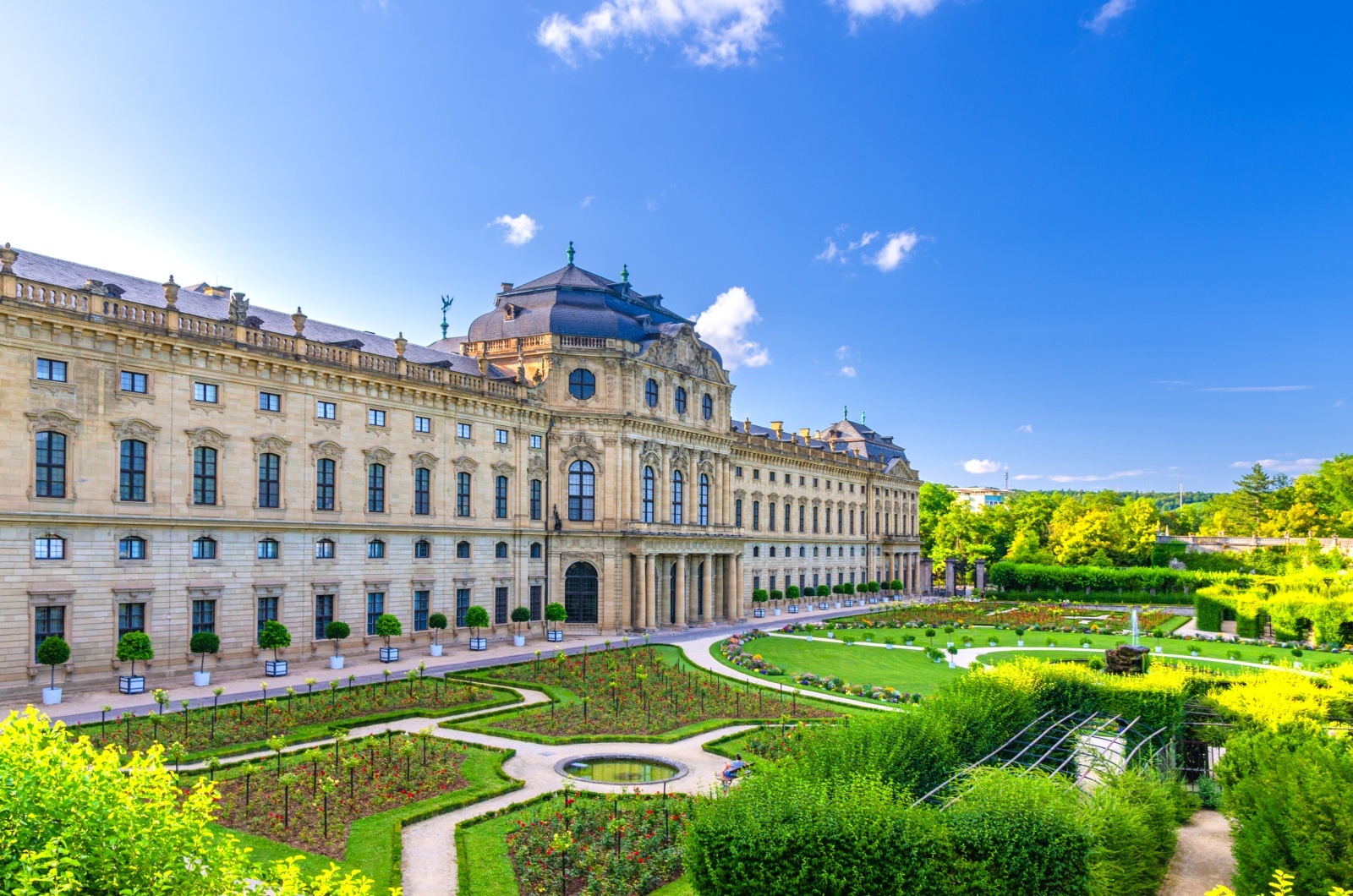
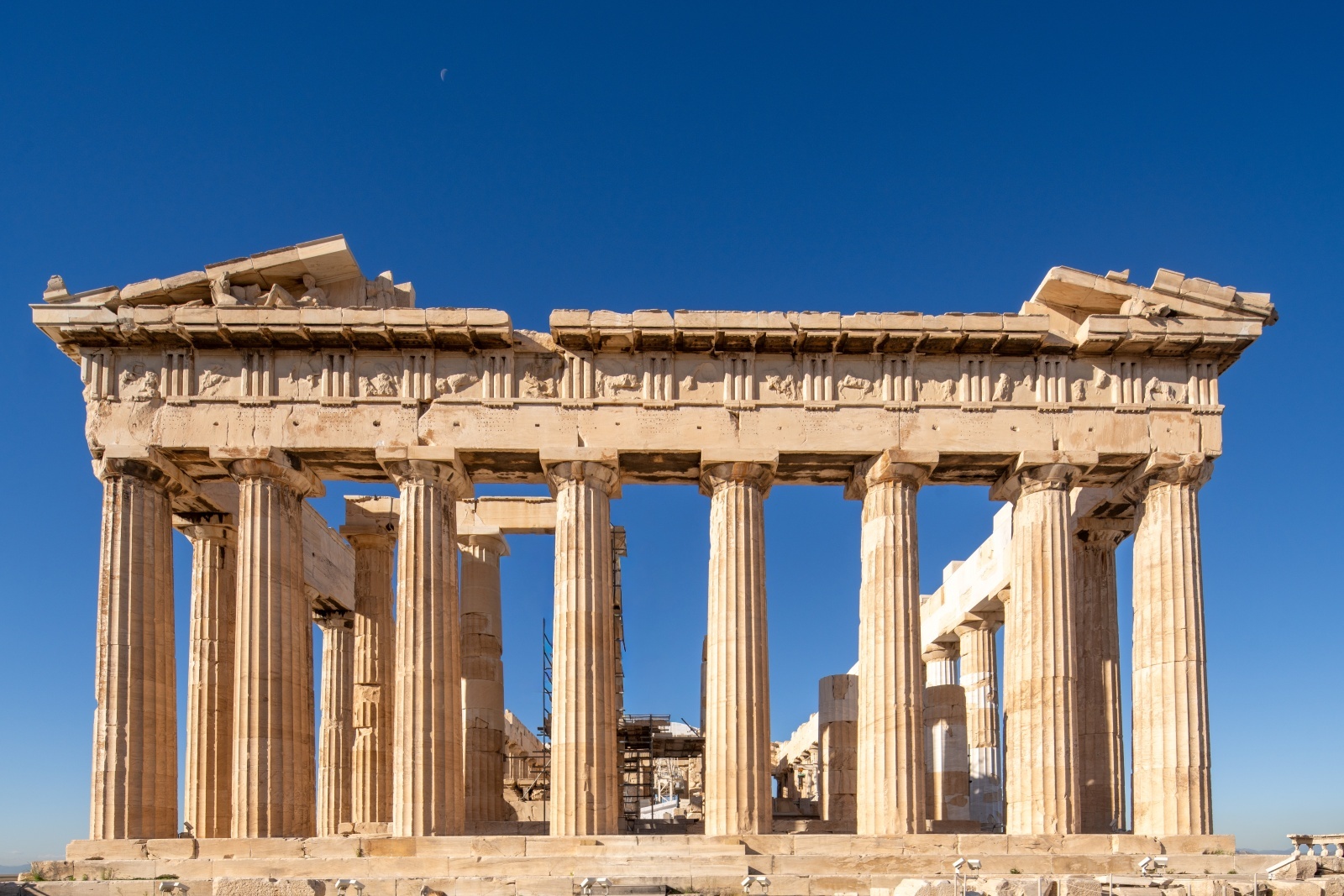
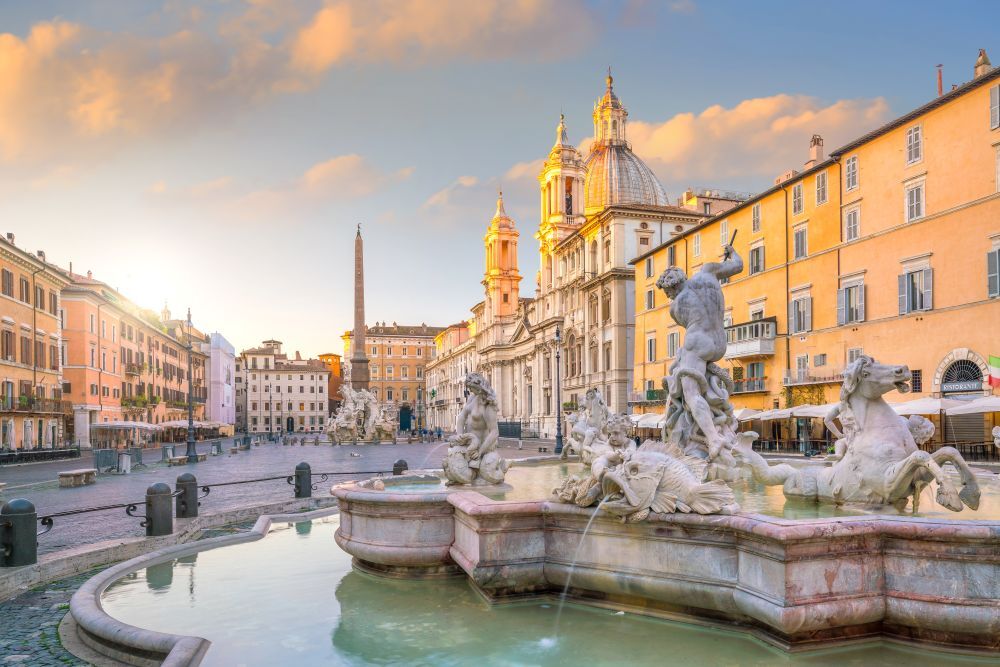
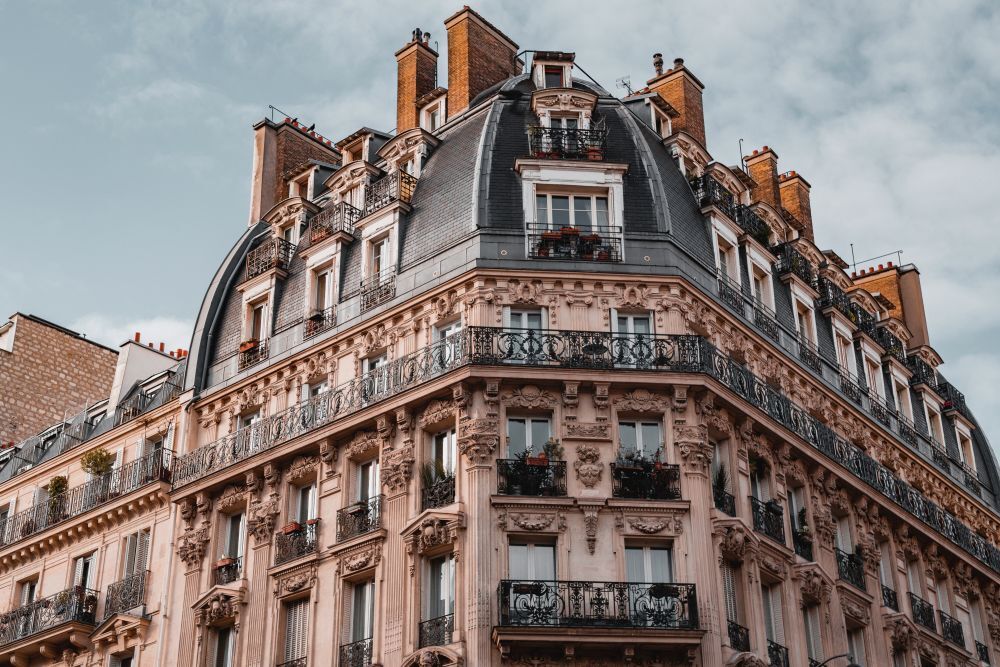
As the world moved through a period of huge transformation at the end of the 19th century and the beginning of the 20th century, it could be suggested that this idea had become somewhat muddied for architecture. Although there had been a wealth of styles and movements that defined the 19th century, they were predominantly revivalist in their outlook and approach. Classical, Renaissance, Gothic and Baroque buildings, sometimes created with a subtle fusion of more than one style, had sculpted the skylines all across Europe. However, truly new expressions of art and forms had been lost or devalued.
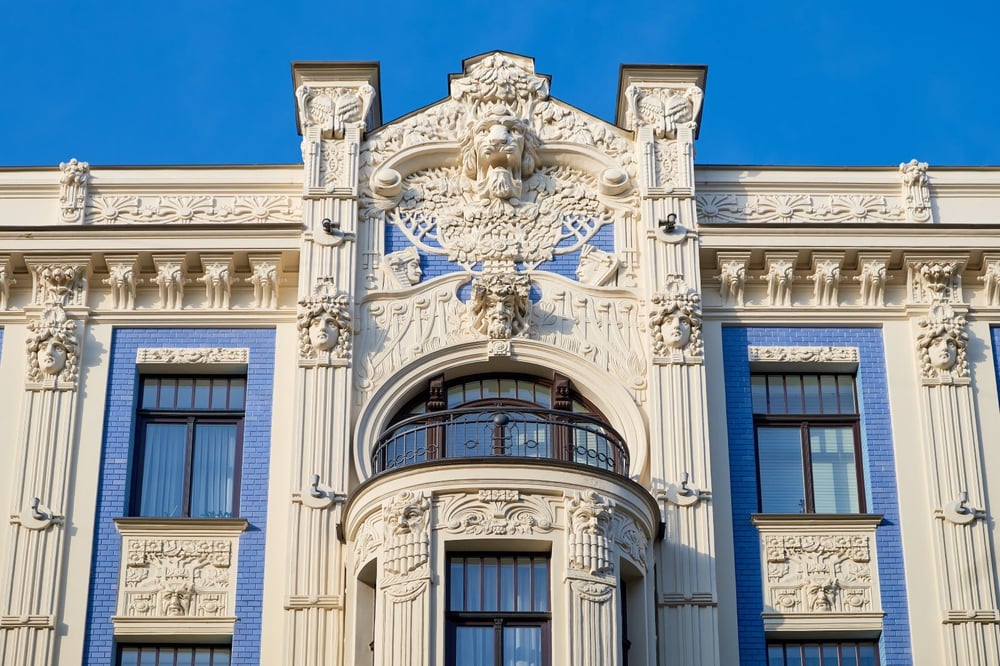
New Art
In the art and architecture worlds, it is inevitably tension that drives progress. And a conscious and overt reaction against the historicism that had held influence for so long was beginning to appear by the end of the 19th century. A group of painters and sculptors in Belgium during the 1880s who called themselves Les Vingt, meaning The Twenty, were starting to cause quite a stir in exactly this manner. The Belgian periodical magazine L’ Art Moderne referred to their work as Art Nouveau, literally translated as ‘New Art’, and from that seed an entirely fresh movement would gradually emerge.
Drawing From Roots & Origins
From the outset, Art Nouveau had clear aspirations to unify all art forms in a wonderful synthesis of painting, fine art, architecture, interior design and furniture. It sought to democratise the beauty that could be accessed through these forms and bring it into everyday lives and homes, to reclaim the power of the natural world in an increasingly modern and industrialised landscape. However, this was not created in an empty vacuum of ideas. The Arts & Crafts movement championed by figures like William Morris had raised the value of decorative arts such as glass, metalwork and object design to sit alongside the more traditional and established realms of culture. The steady globalisation of influence would be key to Art Nouveau too, with a focused appreciation of Japanese art through the interest in flat surfaces, natural forms and decorative lines.
A New Design Language
For architecture in particular, Art Nouveau began exploring a language of movement, biological growth, the repeating patterns of nature and a unified whole. It is easy to see that there was an attempt to raise buildings and create spaces that looked as though they were living as opposed to being constructed. Four core ideas and components were often expressed that worked together across Art Nouveau architecture.
Organic Lines and The Whiplash
This is perhaps the most recognisable element of all. It is a flowing line that curves in form and became known as the ligne coup de fouet or whiplash line. For interiors, it would dictate the rhythms of stair rails that mimic the movements of vines, streaming up and down in an endless commute. In the design of window frames and apertures, it presented shapes like tendrils that framed the light in an organic and almost biological way.
Hôtel Tassel in Brussels that was created by the Belgian Art Nouveau designer and architect Victor Horta in 1892, is a wonderful example of this core idea in action. The stairwell speaks of an organic life where iron railings curl like the stems of a plant and the mosaic on the floor ripples like a river beneath it. These lines continue uninterrupted through the walls, ceilings and even light fixtures, gaining a new status as structure, not merely decoration.
Biomorphic Beauty
The classical columns and static Gothic structures of history were now replaced with the structural shapes and forms from nature’s bounty. The patterns of smoke rising from bodies of water and the waves of the ocean could generate layered and strong foundations, with the eternally tough patterns of timber and trees to support it all. Art Nouveau was a biomorphic philosophy let loose on the built environment.
The Belgian architect and furniture designer Paul Hankar used this brilliantly in the façade of his Hankar House, built in Brussels in 1893. The unfolding petals of wrought-iron balconies and asymmetrical window groupings with panels of stylised flowers all feel connected in a unified and living way. They feel grown and growing, unhindered by the boundaries of construction methods.
Modernity in Materials
Although so much of Art Nouveau architecture was concerned with returning to the ultimate and unsullied source of nature, it did not reject modernity completely. Instead, the innovators embraced the mass-produced materials of iron, steel, glass and tiles, softening them into organic shapes.
It could therefore make iron into vines and tiles into tapestries, like the Austrian architect Otta Wagner’s Majolikahaus, built in 1898, with its stunning motif that adorns the façade. The huge glass roofs that illuminated metro stations across France are another great example of how this marriage of modern materials and the natural world would greatly inform the movement.
Unity & Total Art
Unity was such a huge part of what we now know as Art Nouveau architecture. It worked on the premise that the building was not just a shell to be admired from the outside, but everything should speak to its presence as a total work of art. Furniture & lighting, carpet patterns and murals, even the typography used, were to be treated as part of an organic whole.
The legendary Spanish designer Antoni Gaudí, often referred to as ‘God’s Architect’, took this idea to new levels with finishes like the door handles on Casa Batlló, built in 1904, that are sculpted ergonomically to fit the human hand in exquisite detail.
The New Creates The New
Art Nouveau was now creating environments in the loose shape of buildings and not the other way around. The design language it had developed quickly became the reference material for local dialects to appear, which would extend these values even further. Gaudí’s own Catalan Modernisme brought us the heart-stopping organic majesty of the Basilica de la Sagrada Familia in Barcelona. The building continues to be built generation after generation in an unfinished and unencumbered way, just like nature itself. It also gave rise to the Art Deco movement that was crystallised in early 20th-century France and ushered in the Modernist movement beyond it.
The Art Nouveau architects had the courage to clear a path back to the ultimate source of inspiration available to them. They returned to nature for their notes and let it guide their use of modern materials in the creation of new forms, new shapes and new art for the new world that was about to appear.