

What Is A Period Property? A Buyer's Guide To Historic Homes
Few phrases in an estate agent’s listing carry quite as much romance as “period property”. It brings to mind sash windows that catch the afternoon light, ceiling roses, worn flagstones and fireplaces that have warmed several generations of owners. But what does the term actually mean, and what should you know before you fall for one? Here is how to buy a historic home with your eyes open and your heart intact.
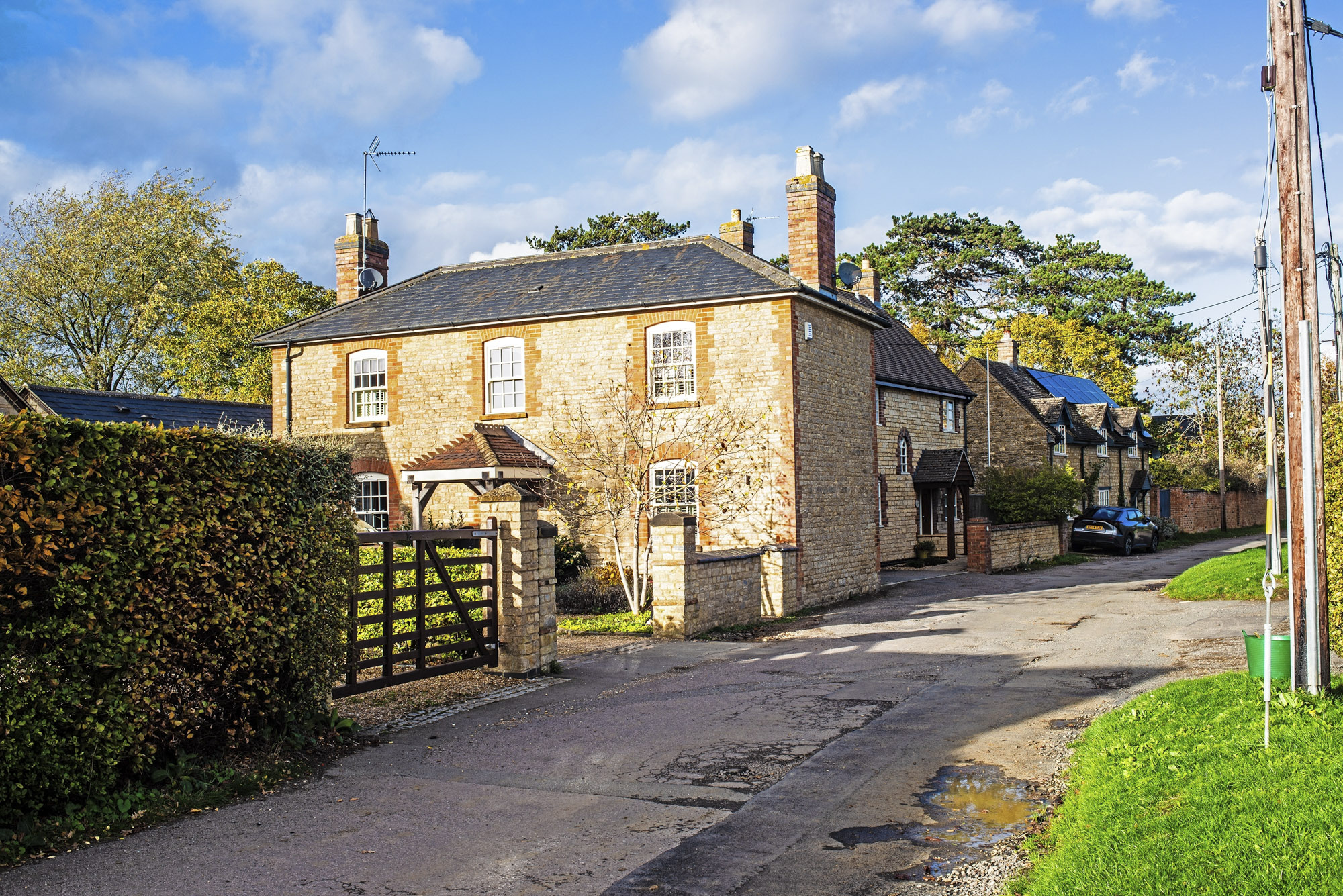
Defining The Period Property
In the broadest sense, a period property is a home built before the First World War, although many people stretch the definition to include the elegant semis and mansion blocks of the 1920s and 30s. Each era left its own mark. The Tudor period (1485–1603) gave us timber framing, low beamed ceilings and leaded windows. The Georgian era (1714–1837) favoured symmetry, proportion and tall sash windows, with the Regency years adding stucco fronts, delicate ironwork and bow windows. Victorian houses (1837–1901) are the backbone of Britain’s housing stock, from modest terraces to Gothic Revival villas full of encaustic tiles and cornicing. Edwardian homes (1901–1910) are lighter and airier, with wider hallways, generous gardens and Arts and Crafts detailing.
Knowing which era your prospective home belongs to does more than settle a dinner-party debate. It tells you how the house was built, which features are likely to be original, and what it may need from you in future.
Fall For The House, Not The Idea Of It
Before you think about surveys and paperwork, be honest with yourself. A period home will rarely behave like a new build. Floors may slope, rooms may be smaller or darker than you would like, and the heating bills may be higher. If your list of planned changes is longer than your list of the things you love, it may be worth asking whether this is really the right house for you.
Those who are happiest in historic homes tend to treat these quirks as part of the house’s story rather than as flaws to be fixed. Buying a period property means becoming, in a small way, its custodian.
Listed Or Not?
One of the first questions to ask is whether the property is listed. In England and Wales, buildings of special architectural or historic interest are graded Grade I, Grade II* or Grade II, and the great majority of listed homes fall into the last category. Scotland uses Categories A, B and C. Listing protects the whole building, inside and out, not just the façade. Most alterations therefore need listed building consent, and carrying out works without it is a criminal offence.
Even an unlisted house may sit within a conservation area, where there are controls on demolition, trees and some external changes such as replacement windows. Your conveyancer should confirm the status of the property. It is also worth checking that any past alterations were properly approved, because liability for unauthorised works can pass to the new owner.
Look Beneath The Surface
A standard valuation is not enough for an older home. Commission a full building survey (a RICS Level 3 survey) from a surveyor experienced with historic properties. Period houses were usually built with solid walls and lime mortar, designed to “breathe” and release moisture. Well-meaning modern repairs such as cement render, plastic paints or impermeable damp-proofing can trap that moisture and cause more harm than good. A good surveyor will know the difference between real problems and the natural character of an old building.
Pay close attention to roofs, chimneys, timbers, drainage and wiring, and set aside a contingency budget for repairs. You should also arrange insurance early, because many period homes, particularly listed or thatched ones, need specialist cover.
Do Your Homework
Researching a house’s past can change how you see it entirely. Historic England’s online resources explain how to assess a building’s significance. Census returns held by the National Archives can show who lived in your house and what they did for a living, and local record offices often hold old maps, plans and photographs. Before you commit, finding out what the house originally looked like can help you decide which features are worth keeping, which are worth reinstating, and which were later additions you can let go.
Find The Right People
Restoring and maintaining a historic home is a specialist job. Look for architects, builders and craftspeople with proven experience of period buildings. Directories such as the Building Conservation Directory, and membership bodies such as the Listed Property Owners Club, are good places to start. Architectural salvage yards are also invaluable when you need a matching fire surround or a run of reclaimed floorboards.
Living With History
Owning a period home does not have to mean living in a museum. Houses have always been adapted for the people who live in them. The trick is to work with the grain of the building rather than against it, choosing changes that are sympathetic and, where possible, reversible. If you approach the purchase with curiosity and care, a historic home offers something no new build can match: a sense of belonging to a story much longer than your own.